Herbal extracts have gained popularity in health and wellness. But what are herbal extracts and how are they made? Dr. Jane Whitaker, a leading herbalist, explains, “Herbal extracts are the essence of plants, encapsulating their beneficial properties.” This statement highlights their concentrated nature.
Understanding herbal extracts involves examining their production. They are derived from various parts of plants, including leaves, stems, and roots. Extraction methods vary, often utilizing water, alcohol, or oil. Each method affects the potency and flavor profile of the final product.
However, not all herbal extracts are equal. Quality can differ based on sourcing and production practices. Consumers must be cautious. The herbal industry lacks stringent regulations, leading to variations in efficacy. As with all supplements, it is essential to research and consult professionals. Ultimately, knowing what herbal extracts are and how they are made can empower users to make informed choices.
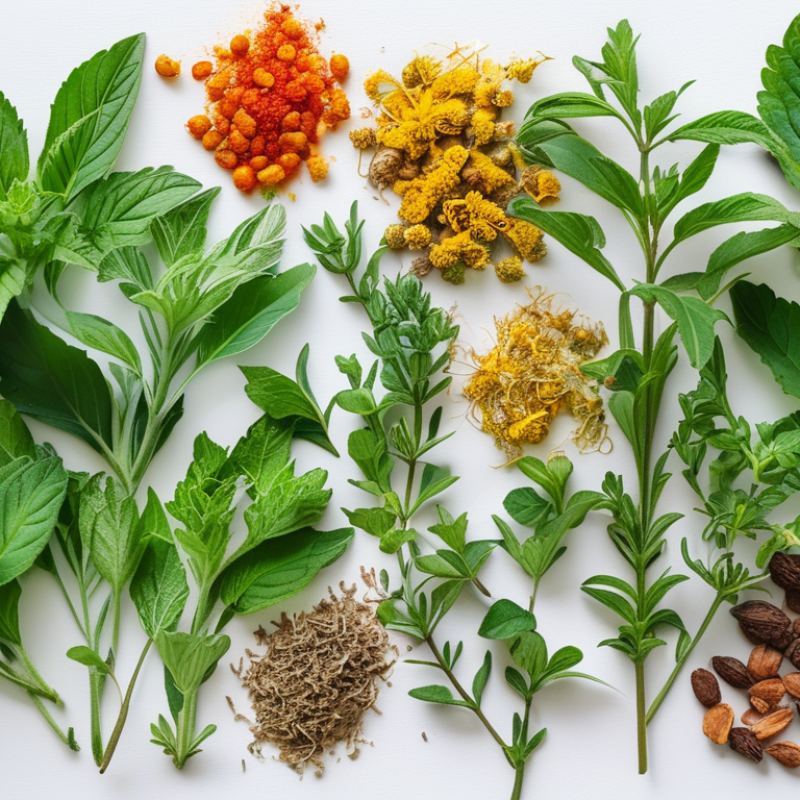
Herbal extracts have gained attention for their potential health benefits. Various studies highlight their efficacy in promoting well-being. For instance, a 2021 report from the National Institutes of Health stated that herbal extracts may aid in reducing inflammation and supporting immune health. One surprising finding was how commonly used herbs like echinacea have shown promise in these areas.
Lavender extract is known for its calming effects. Research published in the Journal of Alternative and Complementary Medicine highlights its ability to reduce anxiety and improve sleep quality. Another noteworthy extract is turmeric, which is rich in curcumin. Studies indicate it may help in managing chronic pain and joint inflammation.
A wealth of data shows herbal extracts can be effective. However, consistency in quality varies among products. Not all extracts are equal in potency or concentration. Consumers should seek products with clear sourcing and preparation methods. Transparency in the production process is essential for trust. Remember, it's crucial to consult with healthcare professionals before using herbal extracts, especially if you have underlying health conditions. This approach encourages informed choices in the realm of natural health.
| Herbal Extract | Source Plant | Health Benefits | Extraction Method |
|---|---|---|---|
| Echinacea | Echinacea purpurea | Boosts immune system | Alcohol extraction |
| Ginseng | Panax ginseng | Enhances energy and stamina | Hot water extraction |
| Turmeric | Curcuma longa | Anti-inflammatory properties | Solvent extraction |
| Peppermint | Mentha piperita | Aids digestion | Steam distillation |
| Ashwagandha | Withania somnifera | Reduces stress and anxiety | Cold pressing |
| Garlic | Allium sativum | Supports heart health | Alcohol extraction |
| Green Tea | Camellia sinensis | Rich in antioxidants | Steam extraction |
| Milk Thistle | Silybum marianum | Liver support | Cold extraction |
| Rhodiola | Rhodiola rosea | Enhances mental performance | Alcohol extraction |
| Chamomile | Matricaria chamomilla | Promotes sleep and relaxation | Steam distillation |
: Herbal extracts are known for their potential health benefits, promoting overall well-being.
Lavender extract may reduce anxiety and improve sleep quality, based on research findings.
Turmeric extract, rich in curcumin, may help manage chronic pain and joint inflammation.
The quality and potency of herbal extracts can vary significantly between products.
Different extraction methods yield various active compounds, impacting the effectiveness of the herbal product.
Alcohol extraction captures a broader range of constituents, while water extraction is simpler but may miss some benefits.
Sourcing raw materials accurately and at the right time is crucial for effective herbal extracts.
Testing ensures purity and potency, checking for contaminants and confirming active compound concentrations.
Thorough documentation ensures traceability from harvesting to testing, promoting accountability in production.
Combining traditional knowledge with modern scientific methods can be difficult but is essential for improving product quality.
Herbal extracts are concentrated forms of plant materials that capture the beneficial compounds found in herbs. They are created through various extraction methods, such as water, alcohol, or oil-based techniques, each designed to preserve the active constituents and enhance their therapeutic effects. Understanding what are herbal extracts and how are they made is crucial for appreciating their role in health and wellness.
The benefits of herbal extracts span a wide range, with many studies supporting their efficacy in improving health. Key active compounds found in herbal extracts can offer anti-inflammatory, antioxidant, and other health-promoting effects. To ensure quality and safety, stringent manufacturing practices and quality control standards are implemented in the industry. As consumer demand for natural remedies grows, the market for herbal extracts continues to expand, reflecting a trend toward holistic health solutions.

 Bluidge Biology