2026 Best Guide to Choosing High Quality Herbal Extracts?

Time:2026-07-06 Author:Henry
0%

In recent years, the demand for herbal extracts has skyrocketed, driven by a growing interest in natural health solutions. According to a 2021 market report by Grand View Research, the global herbal extracts market was valued at approximately $23 billion and is expected to expand significantly by 2028. As consumers seek to enhance their well-being with herbal remedies, understanding how to choose high quality herbal extracts becomes crucial.

Selecting high quality products requires an informed approach. Not all extracts are created equal. Factors such as sourcing, extraction methods, and purity significantly impact effectiveness. The American Herbal Products Association emphasizes the importance of third-party testing for quality assurance. This ensures that extracts are free from contaminants and accurately represent their labeled ingredients.

While many consumers believe they can easily select herbal extracts, the reality can be more complex. Misleading labeling and varying concentrations can confuse even the most seasoned buyers. Reflecting on personal experiences can highlight the importance of diligent research. With the right knowledge, anyone can navigate the herbal extract landscape and make informed decisions that positively affect their health.
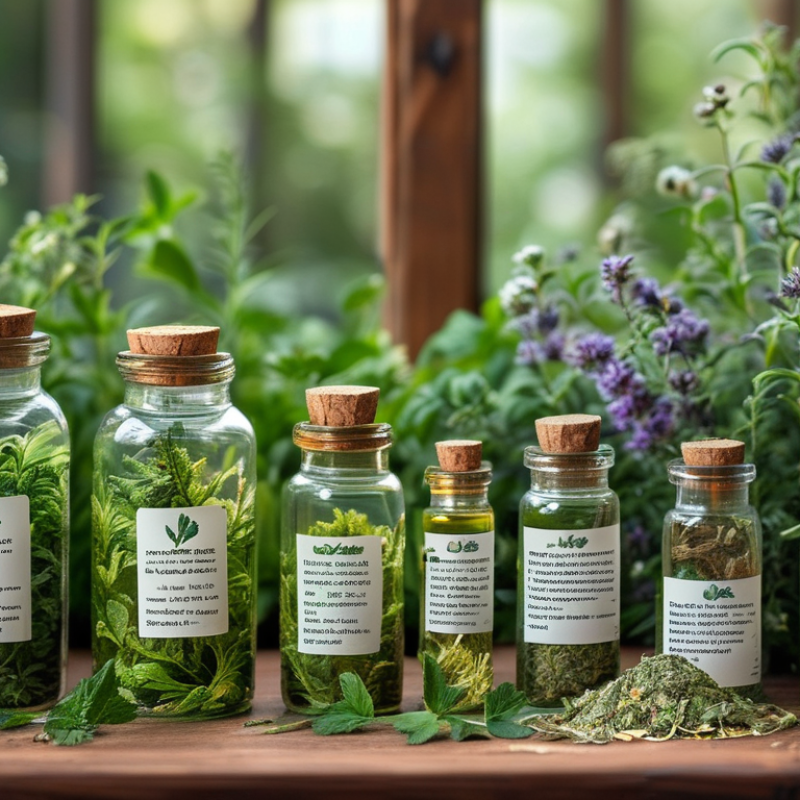
2026 Best Guide to Choosing High Quality Herbal Extracts?

Understanding Herbal Extracts: An Overview of Types and Benefits

Herbal extracts have gained popularity in recent years. They offer a variety of health benefits. Understanding the types and advantages of these extracts is crucial when choosing high-quality options.

There are several types of herbal extracts, including tinctures, powders, and oils. Tinctures are liquid extracts made by soaking herbs in alcohol or vinegar. They may retain more active compounds than other forms. A study published by the Journal of Ethnopharmacology notes that tinctures can contain up to 60% more bioactive compounds compared to dried herbs. On the other hand, powders are often created by grinding dried herbs. This form maximizes dose and shelf life, appealing to many consumers.

The benefits of herbal extracts are numerous. They can support immune health, reduce stress, and improve digestion. According to a report from the National Center for Complementary and Integrative Health, nearly 38% of adults in the U.S. use herbal supplements. However, the quality can vary widely. Many products may contain fillers or lack sufficient potency. Consumers should scrutinize label information and consider third-party testing for assurance. Ultimately, enhancing your knowledge on herbal extracts can lead to better health choices.

2026 Best Guide to Choosing High Quality Herbal Extracts

Herbal Extract Type Common Benefits Extraction Method Quality Indicators
Ginger Extract Anti-inflammatory, Digestive aid Cold Extraction Organic certification, Potency level
Echinacea Extract Immune system support, Cold prevention Ethanol Extraction Standardized active compounds, Harvest time
Turmeric Extract Anti-inflammatory, Antioxidant Steam Distillation Curcumin concentration, Source verification
Milk Thistle Extract Liver support, Detoxification Solvent Extraction Silymarin content, Manufacturing process
Ashwagandha Extract Stress reduction, Energy enhancement Cold Press Extraction Active ingredient profile, Potency testing

Key Factors in Assessing the Quality of Herbal Extracts

When assessing the quality of herbal extracts, several critical factors come into play. The origin of the herbs is paramount. Herbs grown in their native habitat often yield higher quality extracts. Soil health and farming practices directly impact potency. Sustainability matters as well; overharvesting can diminish quality and availability. Consider the extraction method too. Techniques like cold pressing or steam distillation generally preserve the plant’s essential compounds better than less careful methods.

Another key aspect is third-party testing. Reliable herbal extracts often come with lab results that confirm potency and purity. These independent tests should check for contaminants, pesticides, and heavy metals. Trustworthy suppliers often share this information openly. Look for certifications that demonstrate commitment to quality.

Finally, pay attention to the product specifications. Quality extracts will clearly list their active ingredients and concentrations. This transparency helps you make informed choices. Not all extracts are created equal. It’s essential to remain skeptical and do thorough research. The best products are backed by science and expertise.

Methods of Extraction: How They Impact Herbal Extract Efficacy

Extraction methods play a crucial role in determining the efficacy of herbal extracts. Different techniques can yield different active compounds. For instance, steam distillation and solvent extraction are two common methods. Each has its strengths and weaknesses regarding compound retention and potency. A 2021 report by the National Center for Biotechnology Information highlighted that some solvents can alter the chemical profile of the extract, potentially diminishing its health benefits.

Cold pressing is another popular technique. It is often preferred for citrus fruits. However, it may not be suitable for all herbs. According to a study published in the Journal of Herbal Medicine, cold-pressed extracts can contain higher levels of volatile compounds. These compounds are crucial for the therapeutic properties of numerous plants. Yet, they can also be sensitive to light and temperature, which might lead to degradation over time.

Supercritical CO2 extraction stands out for its efficiency in preserving sensitive compounds. This method often results in higher yields and purity levels. However, it requires specialized equipment that may not be accessible to all producers. A survey by the Herbal and Natural Products Industry Association (HNPIA) revealed that only about 15% of herbal producers utilize this method. As consumers, understanding these extraction techniques is essential for making informed choices in the herbal market.

Recognizing Certifications and Standards for Quality Assurance

When choosing herbal extracts, understanding certifications is crucial. Reliable certifications indicate that the product meets specific quality standards. Look for certifications like USDA Organic or Non-GMO Project Verified. These labels suggest rigorous testing and adherence to safety protocols.


It is common to see herbal products with vague claims. This raises questions about their authenticity. Not all certifications are equal; some may be less stringent. Research the issuing organization and their credibility. Trustworthy certifications can assure you that the herbal extracts are pure and safe.


Many consumers overlook the importance of third-party testing. Such tests provide unbiased results about the product's content. This transparency strengthens trust in what you consume. While certifications help, they are not foolproof. Always remain vigilant and investigate further to ensure quality in your herbal choices.

Tips for Sourcing High-Quality Herbal Extracts from Reputable Suppliers

Sourcing high-quality herbal extracts begins with research. Not all suppliers are created equal. Establish a list of potential suppliers and evaluate their credentials. Check if they have certifications in quality assurance, sustainability, and ethical practices. A strong reputation in the industry can indicate reliability.

Engage with suppliers directly. Ask about their sourcing processes and extraction methods. A transparent supplier will willingly share this information. Consider their harvest practices. Ethical sourcing typically results in superior quality products. Test samples whenever possible to assess potency and purity. Quality assurance should reflect in the taste and aroma of the extracts.

Be cautious of low prices. They can signify inferior quality or questionable practices. Analyze the concentration of active compounds indicated in the lab results. A detailed lab analysis assures you of what you are purchasing. Reflection on your choices is key. Sometimes, higher costs correlate with better outcomes in health benefits.

Herbal Extract Quality Assessment

This chart compares the quality assessment scores of different types of herbal extracts sourced from reputable suppliers, focusing on factors such as purity, potency, and sourcing transparency.

FAQS

: What are herbal extracts?

: Herbal extracts are concentrated forms of herbs, offering health benefits through various types like tinctures or powders.

How are tinctures made?

Tinctures are liquid extracts created by soaking herbs in alcohol or vinegar, retaining more active compounds.

What are the benefits of herbal extracts?

They may support immune health, reduce stress, and improve digestion, contributing to overall well-being.

Why is the origin of herbs important?

Herbs from their native habitats generally yield better quality extracts, impacting both potency and efficacy.

What should consumers check on the product label?

Look for active ingredients, concentrations, and certifications to ensure quality and transparency in herbal extracts.

How can third-party testing help?

It confirms the potency and purity of the extracts, checking for contaminants and ensuring consumer safety.

Are all herbal extracts of good quality?

No, quality can vary significantly. Many products may contain fillers or lack effective ingredients.

Can herbal extracts interact with medications?

Yes, some can affect how medications work. Consult a healthcare professional before use for safety.

What extraction methods are preferable?

Techniques like cold pressing or steam distillation better preserve the essential compounds of the plants.

How should consumers approach herbal supplements?

Stay skeptical, conduct research, and choose products backed by scientific evidence and reliable suppliers.

Conclusion

In the quest for understanding how to choose high quality herbal extracts, one must first explore the various types and benefits these extracts offer. It's essential to familiarize oneself with key factors that determine the quality of herbal extracts, such as the source of the herbs, the extraction methods employed, and the presence of any certifications or standards that ensure their efficacy and safety.

Furthermore, the extraction methods play a crucial role in how well the active compounds are preserved, impacting the overall effectiveness of the herbal product. By recognizing trusted certifications and sourcing extracts from reputable suppliers, consumers can better navigate the market for high-quality herbal extracts. Taking these steps will enhance one’s ability to select products that align with their health and wellness goals.

Henry

Henry

Henry is a dedicated marketing professional with a profound expertise in the company's offerings. With years of experience in the industry, he possesses an impressive understanding of the market dynamics and consumer behaviors that drive success. Henry is committed to sharing his insights through......