In the pursuit of healthy skin, many are turning to nature for solutions. Herbal extracts offer a wealth of benefits in skincare routines. But how do herbal extracts work in skincare products? These ingredients are rich in nutrients and antioxidants. They help combat skin issues like aging, dryness, and irritation.
Every herbal extract has unique properties. For instance, chamomile soothes sensitive skin, while tea tree oil fights acne. The effectiveness of these extracts often depends on their formulation and concentration. It's important to choose products from reputable brands. Not all herbal extracts are created equal. Some may not deliver the promised results.
While herbal extracts can enhance your skincare regimen, they are not a cure-all. Individual results may vary, and skin reactions can occur. Testing products on a small area first is always wise. Understanding the science behind herbal ingredients empowers you to make informed choices. Embrace the potential of these natural wonders, but remain cautious.
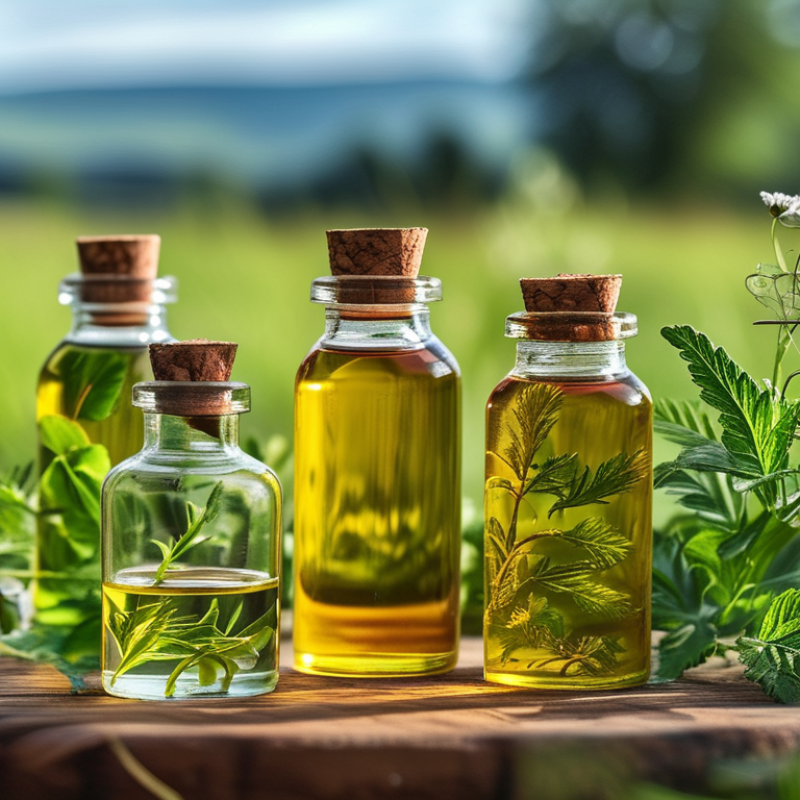
Understanding Herbal Extracts and Their Properties
Herbal extracts have become popular in skincare for their unique properties. Many consumers are turning to these natural ingredients for their potential benefits. A 2022 report from the Global Journal of Dermatology noted a 30% increase in the use of herbal extracts in skincare products. This reflects a growing trust in nature’s remedies.
Understanding the properties of herbal extracts is essential. These extracts often contain antioxidants, anti-inflammatory agents, and vitamins. For example, chamomile is known for its calming properties and helps to soothe irritated skin. According to a study published in the Journal of Cosmetic Science, 65% of users reported improved skin texture after incorporating herbal extracts into their routine. However, individual results can vary, suggesting a need for personalized skincare approaches.
Research shows that not all herbal extracts are safe for everyone. Some may cause allergic reactions, especially in sensitive skin. A survey by the International Journal of Dermatology found that 15% of participants experienced sensitivity to herbal extracts. This highlights the importance of patch testing and consulting a dermatologist before adding new products to one's skincare routine. Tailoring choices to individual skin needs ensures safer and more effective use.
Common Herbal Extracts Used in Skincare Products
Herbal extracts have become staples in skincare routines. Many people appreciate their natural origins and beneficial properties. Common extracts like aloe vera, chamomile, and green tea offer various advantages.
Aloe vera is known for its soothing properties. It hydrates the skin and helps with irritation. This makes it ideal for sunburns or sensitive skin. Chamomile, with its anti-inflammatory qualities, can reduce redness. It acts as a calming agent, promoting a more even skin tone.
Meanwhile, green tea contains antioxidants that protect against environmental damage. These extracts can rejuvenate the skin and keep it youthful.
Using herbal extracts does not always yield perfect results. Skin types vary, and some people may experience reactions. Patch testing is advisable before full application. While many find relief and improvement, others might not see significant changes. It's essential to listen to your skin and adapt accordingly. The journey with herbal extracts can be rewarding but requires patience and reflection.
Benefits of Herbal Extracts for Different Skin Types
Herbal extracts provide various benefits for different skin types, showcasing their versatility in skincare. For oily skin, extracts like witch hazel can help balance oil production. This natural ingredient reduces inflammation and clarifies pores, promoting a clearer complexion. Many people find it effective, though results can vary depending on individual skin characteristics.
Dry skin types often benefit from soothing herbal extracts like chamomile and calendula. These ingredients are known for their hydrating properties. They calm irritation and provide moisture, leaving the skin feeling refreshed. However, some users might notice minimal effects, requiring more patience to achieve desired results.
Sensitive skin thrives on gentle herbal extracts such as aloe vera and green tea. These ingredients help reduce redness and irritation. Their anti-inflammatory properties are often praised. Yet, not every sensitive skin will respond the same way. Patch testing is advisable to avoid adverse reactions. Understanding your skin type is essential to maximize the benefits of herbal extracts.
How to Incorporate Herbal Extracts into Your Skincare Routine
Incorporating herbal extracts into your skincare routine can enhance your regimen significantly. Research indicates that natural ingredients can provide both hydration and essential nutrients. For example, chamomile extract is known for its soothing properties. A study found that it reduces skin irritation by up to 33%.
To start, consider adding herbal-infused oils or creams. Look for products that contain ingredients like lavender or calendula. These can help calm inflammation and provide hydration. Apply these extracts directly to cleansed skin for maximum absorption.
Tip: Create
DIY masks using honey and a few drops of rosemary oil. This can boost skin vitality and offer a refreshing sensation.
When using herbal extracts, it’s crucial to
patch test first. Some individuals may experience allergies. In addition, remember that
consistency matters. Using herbal extracts just once won't yield substantial results. Stick to a routine for the best outcome.
Tip: Keep a skincare journal to note how your skin responds to different herbal extracts. This can help in making informed decisions.
Potential Risks and Considerations When Using Herbal Extracts
When integrating herbal extracts into your skincare routine, it’s essential to be aware of potential risks. A study published in the Journal of Dermatological Science indicates that while some herbal ingredients can enhance skin health, they may also cause adverse reactions in some individuals. About 30% of users reported mild to severe skin irritation or allergic reactions when using products with herbal components like chamomile or tea tree oil.
Additionally, the variability in herbal extract quality raises concerns. A report from the World Health Organization highlights that 20-25% of herbal products tested did not contain the listed active ingredients. This inconsistency can lead to ineffective treatment or unwanted side effects. Contamination and adulteration are common issues, often overlooked by consumers. Users must choose products from reputable sources to mitigate these risks.
Another consideration is the lack of extensive clinical research on many herbal extracts. While anecdotal evidence supports their benefits, scientific backing is often limited. The potential interactions of herbal extracts with medications continue to be studied. Individuals must consult healthcare professionals before introducing new products into their routines. This ensures that the herbal extracts align with their skin type and overall health needs.
FAQS
: Herbal extracts are often used for their soothing and calming properties. They can hydrate and improve skin texture.
Patch testing is key. It helps identify any allergic reactions before applying products fully.
No, results can vary significantly. Some may see improvements, while others might not notice any change.
Popular ones include aloe vera, chamomile, and green tea. Each offers unique advantages for skin health.
Start by adding herbal-infused oils or creams to cleansed skin. Regular use enhances benefits.
It’s crucial to consult a dermatologist. Some extracts may cause irritations or allergies.
Yes, consistent use can provide hydration and nourishment. However, it requires patience and adaptation.
Discontinue use immediately. Reassess skin needs and consult a healthcare professional if necessary.
Keeping a skincare journal can help monitor responses and make informed product choices.
Not always. Individual skin types and sensitivities vary, highlighting the need for personalized care.
Conclusion
Herbal extracts have gained popularity in skincare due to their numerous benefits and natural properties. Understanding how herbal extracts work in skincare products involves recognizing their various effects on the skin. Commonly used extracts, such as aloe vera, chamomile, and green tea, cater to different skin types and concerns, offering advantages like soothing inflammation, providing antioxidants, and enhancing hydration.
Incorporating herbal extracts into your skincare routine can be done through serums, creams, or DIY formulations. However, it's essential to be aware of potential risks such as allergic reactions or skin sensitivity. By carefully selecting and applying herbal extracts, individuals can effectively enhance their skincare regimen while enjoying the natural benefits these botanicals provide.

 Bluidge Biology