In the evolving landscape of product formulation, the integration of herbal extracts stands out. Renowned industry expert Dr. Emily Carter emphasizes, "Herbal extracts not only enhance efficacy but also provide a sensory experience." This perspective brings to light the question: how do herbal extracts improve product formulation?
Herbal extracts possess unique properties beneficial for various applications. They offer natural fragrances, vibrant colors, and functional benefits tailored for skin health. These attributes can captivate consumers seeking both performance and sensory appeal. However, the challenge remains in optimizing their integration effectively.
The process involves understanding the extract's characteristics and potential interactions with other ingredients. Not all herbal extracts perform equally well when combined; some may lose potency or alter desired product properties. This necessitates careful consideration and testing in formulation development. Industry leaders acknowledge this complexity, reflecting the need for continuous research in this area. The journey to mastering herbal extracts can be filled with learning opportunities, as formulators explore the delicate balance between nature and scientific innovation.
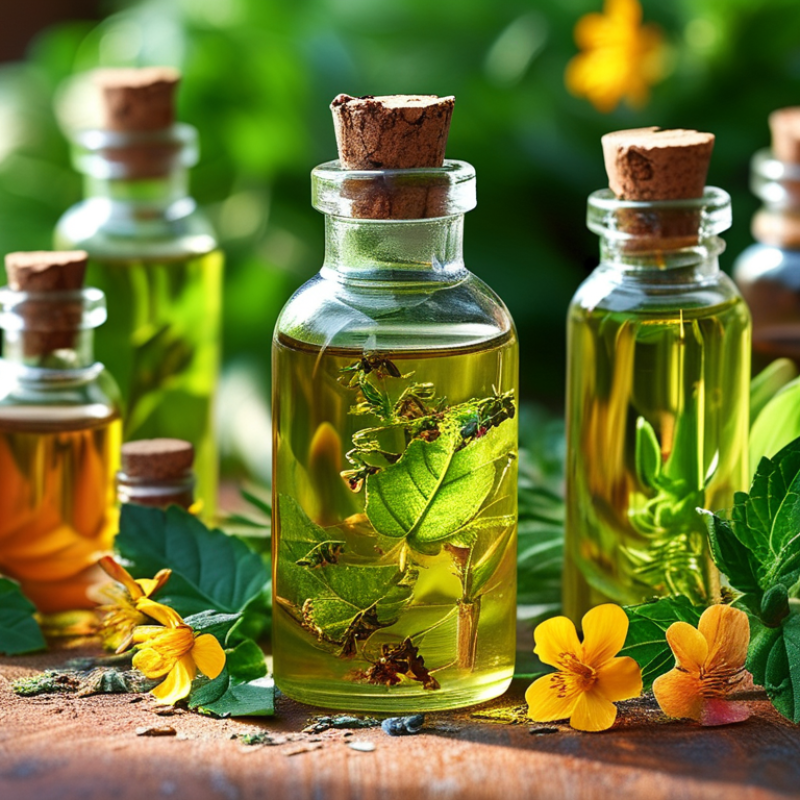
Herbal extracts have gained significant attention in cosmetic formulations due to their diverse benefits. According to a report by MarketWatch, the global herbal cosmetics market is expected to reach $16.5 billion by 2025. This growing trend demonstrates the increasing demand for natural ingredients in skincare products. Herbal extracts, sourced from plants, bring unique properties to formulations. They often provide antioxidant, anti-inflammatory, and moisturizing benefits.
For instance, aloe vera is well-known for its soothing properties and can help alleviate irritation. Similarly, chamomile extract is recognized for its calming effects on the skin. Research shows that 70% of consumers prefer products containing natural ingredients. They believe these are safer and more effective. However, the challenge lies in ensuring the quality and concentration of these extracts. Not all products labeled as 'herbal' meet the same standards.
Moreover, herbal extracts can sometimes cause allergic reactions if not tested properly. This highlights the importance of thorough testing and validation. Brands need to ensure they source their extracts from reputable suppliers. Transparency in sourcing and formulation can greatly enhance consumer trust. By integrating well-researched herbal extracts, cosmetic companies can elevate their product's effectiveness while appealing to a growing audience seeking natural solutions.
This chart illustrates the various benefits of incorporating herbal extracts in cosmetic product formulations. The data reflects the percentage of product developers who prioritize each benefit when formulating cosmetics.
Herbal extracts play a crucial role in enhancing fragrance and sensory experience in product formulations. These natural ingredients offer vibrant scents and promote well-being. According to a 2021 report from the International Fragrance Association, over 30% of consumers prefer personal care products with herbal scents. This preference highlights a growing trend toward natural ingredients.
Incorporating herbal extracts can elevate the overall sensory experience. They not only add complexity to fragrances but also evoke emotional responses. For instance, lavender has been shown to reduce anxiety in users, creating a calming effect. This emotional connection enhances user loyalty and satisfaction.
Experiment with different herbal blends to discover unique profiles. Consider using essential oils for a stronger aromatic presence. When blending, aim for balance. A dominant scent can overwhelm the senses, distracting from the intended experience. Remember that some consumers might have sensitivities or allergies to specific herbs. Thus, always prioritize transparency in formulations.
Herbal extracts are gaining attention as natural preservatives in various product formulations. Many consumers seek products without synthetic chemicals. These extracts not only help in preserving the integrity of formulations but also enhance their overall appeal. For instance, rosemary extract is often used because of its powerful antioxidant properties. It effectively prevents oxidation, maintaining the quality of oils and other ingredients.
Using herbal extracts doesn't come without challenges. The exact concentration needed can vary widely, requiring careful experimentation. Some extracts may alter the product's scent or color, influencing consumer preference. It's essential to consult scientific studies and conduct stability tests before wide-scale implementation. Despite these hurdles, the growing consumer demand for natural options drives interest in herbal solutions.
Moreover, herbal extracts can provide additional benefits beyond preservation. They may offer skin-soothing properties or antimicrobial effects, which consumers increasingly value. However, the efficacy of these extracts is not universally established. Continued research is necessary to fully understand their long-term reliability in formulations. Balancing their advantages with potential drawbacks requires ongoing attention and adjustment.
Herbal extracts offer numerous benefits for skin health. Many studies highlight their potential in promoting overall skin vitality. For instance, a report from the Global Journal of Health Science indicates that natural extracts can reduce inflammation and enhance hydration efficacy in cosmetic formulations. Ingredients like chamomile and calendula are particularly noted for their soothing properties, making them staples in skincare products.
Bioactive compounds found in plants like green tea and aloe vera play crucial roles. Green tea extract contains high levels of antioxidants. These compounds can help combat skin aging by neutralizing free radicals. Similarly, aloe vera has been shown to enhance moisture retention, fostering healthy skin barriers. Research indicates that consumers prefer these natural ingredients for their safety and efficacy.
Despite the clear advantages, challenges remain in formulation. Some herbal extracts can cause skin sensitivities or reactions. Proper testing and concentration adjustments are essential. Understanding the interaction between various extracts can significantly impact product effectiveness. Companies should remain vigilant and continuously evaluate ingredient sourcing and processing methods.
Sustainability and ethical sourcing of herbal extracts in product formulations have become crucial concerns in recent years. Many companies now prioritize sourcing botanicals from sustainable farms. According to a report by the Global Wellness Institute, 21% of consumers actively seek out products that come from sustainable sources. This shift reflects a growing awareness of environmental impacts and a desire for transparency in supply chains.
Ethical sourcing is not just a trend; it is essential for long-term viability. Unsustainable practices can lead to biodiversity loss and habitat destruction. The United Nations’ Food and Agriculture Organization highlights that overexploitation of herbal resources threatens many species. Companies must pursue responsible procurement strategies to mitigate these risks. Collaborating with local suppliers allows for better oversight and supports community economies.
The formulation of herbal products also presents a challenge. Balancing efficacy with sustainability is complex. Sometimes, this can result in higher costs for brands and uncertainties in ingredient consistency. However, prioritizing ethical sourcing can lead to innovative product formulations that resonate with consumers and establish brand loyalty. Engaging in these practices ultimately strengthens the integrity of the entire supply chain.
| Aspect | Description | Benefits |
|---|---|---|
| Flavor Enhancement | Herbal extracts can provide unique flavors that improve the overall taste profile of products. | Increases consumer satisfaction and product appeal. |
| Color Additives | Natural herbs can add vibrant colors without synthetic dyes. | Enhances visual appeal while maintaining a clean label. |
| Preservative Properties | Some herbal extracts have natural antibacterial and antifungal properties. | Extend shelf life and improve product safety. |
| Nutritional Value | Rich in vitamins and minerals, herbal extracts contribute to the nutritional profile. | Supports health claims and marketability. |
| Therapeutic Effects | Certain extracts provide skin healing, anti-inflammatory, and soothing effects. | Enhances product efficacy and consumer loyalty. |
| Sustainability | Ethically sourced herbal extracts align with sustainable practices. | Appeals to eco-conscious consumers. |
| Ethical Sourcing | Fair trade practices ensure ethical harvesting of herbs. | Builds brand reputation and consumer trust. |
| Consumer Trends | Growing demand for natural and herbal products. | Meeting market demands fosters competitive advantage. |
| Innovation | Incorporating new herbal extracts creates innovative product lines. | Attracts diverse consumer groups and increases market share. |
: Herbal extracts enhance fragrance and sensory experiences, offering vibrant scents and promoting well-being.
Over 30% of consumers favor herbal scents, reflecting a trend toward natural ingredients in their products.
Certain extracts, like lavender, may reduce anxiety, creating calming effects and enhancing user satisfaction.
The concentration needed varies, and some extracts may alter scent or color, impacting consumer appeal.
Ingredients like chamomile and calendula soothe skin, while green tea and aloe vera promote hydration and vitality.
Some extracts may cause skin sensitivities or reactions, requiring careful testing and adjustments in formulations.
Continuous evaluation of sourcing and processing, along with stability testing, is essential for effective product development.
Besides preservation, they may offer skin-soothing properties and antimicrobial effects valued by consumers.
Aim for balance in aromas; strong scents can overwhelm and distract from the intended experience.
Some consumers may have sensitivities to certain herbs, so clear labeling is necessary for user trust.
Herbal extracts play a significant role in enhancing product formulation across the cosmetic industry. They offer numerous benefits, including the ability to improve skin health through their natural properties, such as anti-inflammatory and antioxidant effects. By incorporating key herbal extracts, formulators can create products that not only nurture the skin but also ensure a pleasant sensory experience through enhanced fragrance. Moreover, herbal extracts serve as natural preservatives, providing effective alternatives to synthetic agents, which can appeal to consumers seeking cleaner beauty solutions.
Sustainability and ethical sourcing of these extracts further bolster their appeal in formulation strategies. The question of how do herbal extracts improve product formulation can be answered by their multifaceted benefits that cater to both efficacy and ethical considerations, making them a preferred choice for formulators aiming to create innovative and responsible cosmetic products.

Bluidge Biology