Are Herbal Extracts Safe for Daily Use Tips for Buyers

Time:2026-08-10 Author:Liam
0%

The question, "are herbal extracts safe for daily use," is increasingly relevant in today’s wellness landscape. According to a 2022 report by the World Health Organization, approximately 80% of the global population relies on herbal medicine for healthcare. This statistic highlights the significance of understanding the safety of these extracts. Despite their widespread use, not all herbal products are created equal. Quality can vary, and contaminants may pose risks.

Research indicates that some herbal extracts can interact with prescribed medications. A study published in the Journal of Herbal Medicine found that 25% of users had experienced side effects. This prompts consumers to carefully evaluate their choices. It is essential to seek guidance from trustworthy sources and conduct thorough research before incorporating them into daily routines.

Education plays a crucial role in ensuring safe usage. Buyers should be aware of the potential for mislabeling and contamination. Reliable certifications and sourcing can help mitigate risks. As the market grows, consumers must remain vigilant. Understanding the nuances of herbal extracts can lead to safer and more effective use, ultimately benefiting health and wellness.
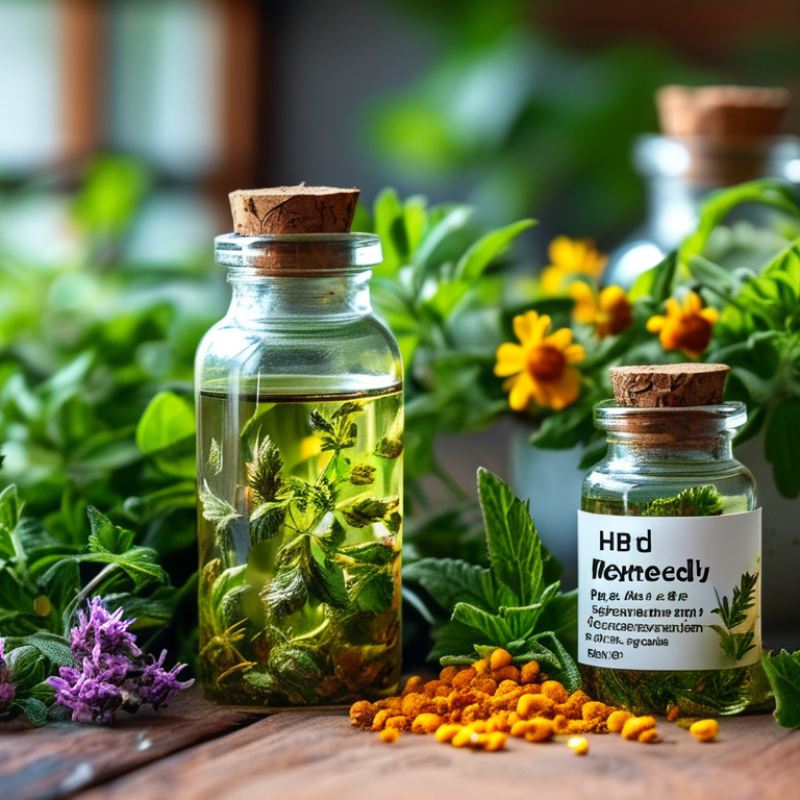
Are Herbal Extracts Safe for Daily Use Tips for Buyers

Understanding Herbal Extracts: Definition and Types

Herbal extracts are concentrated forms of plants used for medicinal or therapeutic purposes. They come in various types, including tinctures, teas, and powders. Recent market reports indicate that the global herbal supplement market is expected to exceed $100 billion by 2025, reflecting growing consumer interest. Understanding the types of extracts is key to making informed choices.

Tinctures are alcohol-based extractions, offering potency and convenience. They are rapidly absorbed, making them effective for quick relief. Teas, on the other hand, provide a gentler approach. They are infused with hot water, releasing beneficial compounds. Powders are versatile and can be added to smoothies or meals. Each type has its unique benefits and potential risks.

When purchasing herbal extracts, consider the source and method of extraction. Look for products that emphasize transparency in their production process. Checking third-party testing results can ensure quality and safety. Be cautious with dosage; more isn’t always better. Start with a low dose to assess tolerance. Always consult a healthcare provider for personalized advice. Remember, individual reactions to herbs can vary widely.

Evaluating the Safety of Herbal Extracts for Daily Use

When considering herbal extracts for daily use, safety is a primary concern for buyers. Many people assume that natural means safe, but that's not always the case. Different herbal extracts can vary significantly in their effects and potential side effects. It's essential to evaluate the source of these extracts. Reputable suppliers should provide clear information on sourcing, processing, and quality testing.

Additionally, understanding dosages is vital. While some herbs may promote health benefits, too much can lead to adverse effects. It’s crucial to consult with healthcare professionals before integrating new herbal extracts into your routine. This step can help prevent harmful interactions with medications or other health conditions.

Moreover, not all herbal products are created equal. Some may contain contaminants or inconsistencies in potency. Look for third-party testing and certifications to ensure reliability. Reading reviews from other users might help illuminate potential risks or benefits. This process can shed light on what to expect and highlight the necessity of personal caution in finding the right herbal extracts for you.

Key Considerations for Choosing Quality Herbal Products

When selecting herbal products, quality is paramount. Look for items with clear labeling. Ingredients should be listed in detail. Check for source information. Sustainable harvesting is crucial for both safety and effectiveness. Opt for products tested for contaminants. Reliable testing assures you of quality.

Consider the extraction method used. Traditional methods can retain more beneficial compounds. However, some modern techniques might enhance potency. Research these methods. Reading opinions from herbalists can offer insight. They provide practical experiences that can guide your choices.

Beware of overly ambitious claims. A product promising miracle results should raise red flags. It's essential to stay informed and make wise decisions. Consulting a healthcare professional can help you understand potential risks. Herbal supplements can interact with medications. Always prioritize safety and informed choices in your herbal journey.

Potential Side Effects and Interactions of Herbal Extracts

Herbal extracts have gained popularity, but safety is a critical consideration. Diverse research suggests potential side effects and interactions that users should be aware of. A report by the National Center for Complementary and Integrative Health indicates that nearly 20% of herbal supplement users experienced adverse effects. These effects range from gastrointestinal issues to allergic reactions.

Certain herbal extracts may interact with prescription medications. For instance, St. John’s Wort is known to affect antidepressants, reducing their effectiveness. Similarly, ginkgo biloba can increase bleeding risks when combined with anticoagulants. It's recommended to consult with healthcare professionals before starting herbal products. Many consumers overlook these interactions, potentially jeopardizing their health.

Safety profiles vary significantly among herbal products. Some extracts, though considered natural, may cause toxicity if misused. For example, kava has been linked to liver damage in some cases. Users need to recognize that “natural” does not always mean safe. Education is key in making informed choices about herbal extracts. Always look for products tested for quality and safety, and be cautious with dosages.

Are Herbal Extracts Safe for Daily Use Tips for Buyers - Potential Side Effects and Interactions of Herbal Extracts

Herbal Extract Potential Side Effects Possible Interactions Safety Tips
Echinacea Allergic reactions, nausea, dizziness May interact with immunosuppressants Consult a healthcare provider before use
Ginseng Insomnia, headaches, digestive issues May interact with blood thinners and diabetes medications Limit use to short term
St. John's Wort Photosensitivity, gastrointestinal upset, fatigue May reduce effectiveness of antidepressants, birth control Use with caution; consult a doctor if on medications
Ginger Heartburn, diarrhea, mouth irritation May enhance anticoagulant effects Limit to recommended doses; consult if pregnant
Garlic Body odor, heartburn, upset stomach May interfere with blood pressure and anticoagulants Discuss with a healthcare professional before starting

Best Practices for Integrating Herbal Extracts into Daily Routine

Integrating herbal extracts into your daily routine can be a rewarding experience. Start by selecting one or two extracts that align with your health goals. For example, if stress relief is your aim, consider chamomile or ashwagandha. These herbs are known for their calming properties. Always start with a small dose to observe how your body reacts. Daily use can enhance effectiveness, but it’s crucial to gauge your individual response.

Incorporate these extracts gradually. You can add them to smoothies or hot teas. This not only improves taste but also makes it easier to establish a routine. Consistency is key. However, be mindful of potential interactions with medications. Consulting a healthcare professional is advisable to ensure safety. Reflect on how you feel after a few weeks. This self-assessment can guide you in fine-tuning your herbal regimen.

Monitor your body for any adverse effects. Some individuals might experience mild side effects, such as digestive issues or headaches. If this happens, reconsider the dosage or the extract you are using. Herbal extracts are powerful, but they may not suit everyone. Journaling your experiences can help identify patterns and make adjustments more manageable. Embrace the process, and remain open to changes in your routine as needed.

Herbal Extracts Safety Ratings

This bar chart illustrates the safety ratings of various herbal extracts on a scale from 1 to 5, with higher values indicating greater safety for daily use. Consider these ratings when integrating herbal extracts into your daily routine.

FAQS

: What should I consider when choosing herbal extracts?

: Evaluate the source, quality, and testing of the herbal extracts before use.

Is natural always safe?

Not necessarily. Some herbal extracts can have side effects or contaminants.

How important are dosages for herbal products?

Dosages are vital. Too much can lead to adverse effects; consult a professional.

What should I look for on product labels?

Labels should detail ingredients, sourcing, and any testing for contaminants.

Can herbal extracts interact with medications?

Yes, they can interact. Always consult a healthcare professional before starting.

What's a good way to start using herbal extracts?

Start with one or two extracts, observing how your body reacts to them.

How can I incorporate herbal extracts into my routine?

Add them gradually to smoothies or teas for easier consumption and taste improvement.

How do I monitor my body's reactions?

Keep track of any side effects, adjustments, and how you feel over time.

What if I experience mild side effects?

If side effects occur, rethink the dosage or consider a different extract.

How can reflections on my experience help?

Journaling can help you identify patterns, making adjustments in your routine smoother.

Conclusion

Herbal extracts have gained popularity for their potential health benefits, but an important question remains: are herbal extracts safe for daily use? To address this, it is crucial to understand the various types of herbal extracts and evaluate their safety for regular consumption. Factors such as product quality and sourcing play a vital role in determining their safety, alongside the potential side effects and interactions that could occur with other medications or health conditions.

When considering herbal extracts for integration into daily routines, buyers should focus on key considerations for selecting high-quality products. Understanding dosing guidelines and possible adverse effects can help mitigate risks. By adopting best practices and remaining informed, individuals can make educated choices about using herbal extracts safely every day, ensuring a beneficial addition to their wellness regimen.

Liam

Liam

Liam is a dedicated marketing professional with a profound expertise in the industry, where he excels at highlighting the unique advantages of our core products. With a keen understanding of market trends and consumer needs, Liam frequently updates our company’s professional blog, providing......