China’s standardized herbal extracts are increasingly used in supplements, functional foods, cosmetics, and traditional medicine products. But what are standardized herbal extracts used for in practical terms? They provide a measured level of selected marker compounds, helping manufacturers create more consistent formulas. Common examples include ginseng, astragalus, green tea, ginger, turmeric, and milk thistle extracts.
Their uses vary widely. A ginseng extract may appear in energy-focused supplements. Green tea extract is often included in antioxidant formulas and beverages. Ginger can support digestive product concepts, while turmeric is commonly studied in wellness products for joint comfort. Cosmetic brands may use botanical extracts in creams, masks, and scalp-care formulas. These applications should not be confused with proven medical treatment.
Quality depends on more than a plant name. Reliable suppliers should document botanical identity, extraction methods, marker-compound levels, contaminants, and batch traceability. Certificates of analysis, appropriate laboratory testing, and good manufacturing practices provide useful evidence. Chinese producers may also follow national, industry, or international quality requirements, depending on the product and destination market.
Still, standardization has limits. A marker compound does not represent the whole plant. Different extraction solvents can produce different chemical profiles. Clinical evidence may also remain uneven. This is easy to overlook. Therefore, responsible buyers should review dosage data, safety assessments, supplier experience, and regulatory status before making product claims. The best extract is not simply the strongest one. It is the one with clear specifications, reliable testing, and a suitable purpose.
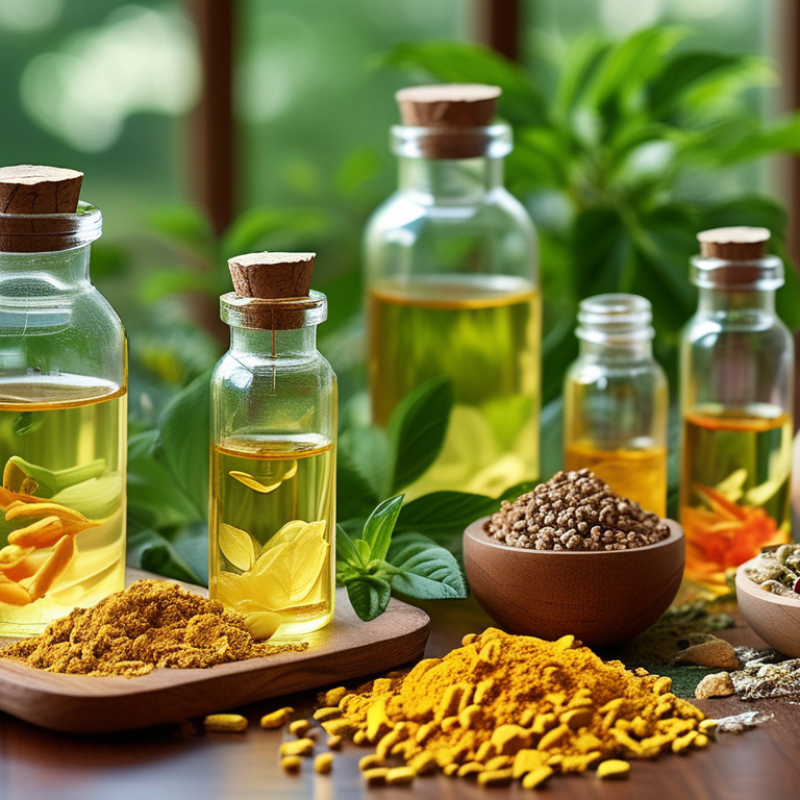
Standardized herbal extracts are concentrated plant preparations adjusted to contain a defined level of marker compounds. Manufacturers may measure compounds such as ginsenosides, flavonoids, or curcuminoids. This process supports batch-to-batch consistency, but it does not guarantee identical clinical effects. The label can look precise, yet the biology remains less tidy.
In China, standardized extracts are commonly used in functional foods, dietary supplements, traditional medicine preparations, and personal-care products. Ginseng extracts often support energy-oriented formulas, while ginkgo extracts appear in products designed for cognitive wellness. Green tea, milk thistle, astragalus, and turmeric extracts are also used in antioxidant, digestive, or general wellness formulations. Their purpose depends on composition, dosage, extraction method, and product regulation.
Market data shows why quality control matters. The American Botanical Council reported that United States herbal supplement sales reached about 12.5 billion dollars in 2023. The World Health Organization’s Global Report on Traditional and Complementary Medicine also emphasizes quality, safety, and evidence-based use. These figures do not prove that every extract works. They show growing demand for better documentation. In practice, responsible buyers should check botanical identity, marker testing, solvent residues, heavy metals, and microbial limits. Testing is not optional. Still, even strong laboratory control cannot replace human evidence, and this limitation deserves more attention.
Standardized herbal extracts are prepared to contain a consistent level of selected marker compounds. The chart compares representative marker levels commonly used to identify several widely used botanical extracts.
Marker content is shown as a representative percentage specification. Actual concentrations vary according to the plant part, extraction method, and product standard.
Commonly used in products for cognitive support and peripheral circulation. Typical standardization includes flavone glycosides and terpene lactones.
Primarily used for liver and antioxidant support. Extracts are commonly standardized to silymarin.
Often used for joint comfort, inflammatory balance, and digestive support. Curcuminoids are the principal marker compounds.
Commonly used in products supporting urinary comfort and prostate health. Fatty acids are frequently used for standardization.
Used for antioxidant and metabolic support. Catechins, including EGCG, are common quality markers.
Standardized herbal extracts are used in supplements, functional foods, research products, and traditional formulations. Their main value is consistency. A measured amount should contain a defined level of selected marker compounds. However, standardization does not prove clinical effectiveness. It only describes chemical control.
Production begins with authenticated plant material. Experts check the species, plant part, harvest location, and storage conditions. The material is cleaned, dried, and milled before extraction. Water, ethanol, or another permitted solvent may be selected for the target compounds. Temperature and extraction time require close control. Too much heat can damage sensitive constituents.
The extract is then concentrated and dried into powder or another usable form. Each batch should undergo identity testing, often using chromatography, microscopy, or validated genetic methods. Chemical assays measure marker compounds through HPLC or similar techniques. Laboratories also screen for microbes, pesticides, heavy metals, and residual solvents. No test is perfect. That weakness deserves attention.
Tips: Request a certificate of analysis for every batch. Check test methods, limits, sample dates, and laboratory qualifications. Do not rely on “standardized” alone. Confirm that the extract matches its intended use and local requirements. Clear records matter.
Chinese standardized herbal extracts are used across several health areas, mainly as supportive products rather than replacements for medical care. Common applications include digestive comfort, sleep quality, stress management, respiratory comfort, and healthy circulation. Some extracts also appear in products designed for women’s health, skin balance, or metabolic wellness. Their purpose depends on the herb, extraction method, and measured marker compounds. Standardization can improve batch consistency, but it does not guarantee the same effect for every person.
Evidence varies widely. Some traditional uses have practical experience behind them, while modern clinical research remains limited or mixed. That gap matters. A responsible supplier should provide identity testing, contaminant screening, and clear dosage information. Users should also consider allergies, pregnancy, liver conditions, and possible medicine interactions. A qualified healthcare professional can help review these risks, especially when several supplements are used together.
Tips: Check the botanical name, extract ratio, and marker-compound level. Look for recent laboratory testing. Start cautiously, and track changes such as sleep, digestion, or skin reactions. “Natural” is not always gentle. Even experienced users can misjudge a product’s strength.
What Are China Top Standardized Herbal Extracts Used For?
Standardized herbal extracts are used in supplements, research, and formulation development. Their main value is dosage consistency. Manufacturers define a marker compound or active group, then adjust each batch toward a stated concentration. For example, a powder may be tested for flavonoids, saponins, or polysaccharides before encapsulation. A 500-milligram serving should not feel like a guess.
This matters as herbal products reach wider markets. The World Health Organization’s Global Report on Traditional and Complementary Medicine 2019 states that 170 of 194 member states reported using traditional medicine. HerbalGram’s 2024 Market Report recorded US herbal supplement sales of about 12.6 billion dollars in 2023. These figures show demand, not proof of effectiveness. That distinction matters.
A reliable extract uses several checkpoints. Identity testing confirms the correct plant species. Marker analysis checks concentration. Microbial, heavy-metal, pesticide, and solvent tests examine safety. Good manufacturing practice adds records for temperature, moisture, and storage time. In practice, a technician may compare chromatographic peaks from a fresh batch with approved reference material. Small differences can still appear.
Standardization is not sameness. One marker may not represent the whole extract. Growing region, harvest season, and extraction ratio can change its chemical profile. This limitation is easy to overlook. Clear certificates of analysis, validated methods, and traceable batch numbers help professionals judge quality. Still, dosage consistency cannot replace clinical evidence or individualized medical advice.
Commonly used standardized herbal extracts, their marker compounds, typical specifications, applications, and dosage-consistency benefits
| Herbal Extract | Botanical Source | Typical Standardization Marker | Commonly Used For | How Standardization Supports Consistency | Important Quality or Safety Considerations |
|---|---|---|---|---|---|
| Ginkgo Extract | Ginkgo biloba leaves | Approximately 22–27% flavone glycosides and 5–7% terpene lactones; low ginkgolic-acid specification | Traditionally used for cognitive support and peripheral circulation | Quantifying flavone glycosides and terpene lactones helps reduce variation caused by leaf age, harvest conditions, and extraction yield. | Extracts should be tested for ginkgolic acids and contaminants. May interact with anticoagulant or antiplatelet medicines. |
| Milk Thistle Extract | Silybum marianum fruit | Usually 70–80% silymarin, a group of flavonolignans | Liver health and antioxidant support | A defined silymarin percentage provides a more predictable amount of the principal flavonolignan complex per serving. | Silymarin assays can differ by analytical method. Product quality should also include identity, pesticide, heavy-metal, and microbial testing. |
| Turmeric Extract | Curcuma longa rhizome | Commonly 90–95% total curcuminoids in concentrated extracts | Joint comfort and support for a healthy inflammatory response | Standardizing total curcuminoids makes the active fraction more uniform than using powdered rhizome alone. | Curcuminoid content does not automatically indicate absorption. Formulation, food intake, drug interactions, and gastrointestinal tolerance may affect use. |
| Green Tea Extract | Camellia sinensis leaves | Often standardized to total catechins or EGCG; specifications vary by product | Antioxidant, metabolic, and general wellness support | Measuring catechins and caffeine helps control the active-polyphenol and stimulant content between batches. | Concentrated green-tea extracts may pose a liver-injury risk in susceptible individuals, especially when taken fasting. Caffeine content should be declared. |
| Ashwagandha Extract | Withania somnifera root or root-and-leaf material | Commonly 2.5–10% withanolides, depending on plant part and extract method | Stress resilience, relaxation, and sleep-quality support | Withanolide testing helps distinguish extracts with different potency and reduces variability in the amount of characteristic constituents. | Root-only and root-and-leaf extracts are not interchangeable. Caution is advised during pregnancy and with thyroid, sedative, or immune-related medicines. |
| Rhodiola Extract | Rhodiola rosea root and rhizome | A frequently used specification is about 3% rosavins and 1% salidroside | Fatigue, mental performance, and stress-adaptation support | Using both rosavins and salidroside as markers helps verify botanical identity and maintain a consistent chemical profile. | Rosavin content is characteristic of R. rosea; species substitution can change the profile. Individual tolerance and medicine interactions should be considered. |
| Valerian Extract | Valeriana officinalis root | Often standardized to approximately 0.3–0.8% valerenic acids | Relaxation and occasional sleep support | Valerenic-acid measurement provides a reproducible marker for comparing extracts with different extraction strengths. | May cause drowsiness or digestive effects. Avoid combining with alcohol or sedative medicines unless advised by a healthcare professional. |
| St. John’s Wort Extract | Hypericum perforatum flowering tops | Commonly standardized to about 0.3% total hypericins; some products also specify hyperforin | Traditionally used for mood support | Marker-compound testing helps maintain a defined hypericin and/or hyperforin profile, improving batch-to-batch comparability. | Has clinically important interactions with many medicines, including hormonal contraceptives, anticoagulants, immunosuppressants, and antidepressants. Professional advice is essential. |
| Saw Palmetto Extract | Serenoa repens fruit | Commonly 80–95% total fatty acids in lipophilic extracts | Men’s urinary and prostate-health support | Controlling total fatty acids and the extraction profile provides a more consistent lipid fraction than unstandardized fruit powder. | Fatty-acid percentage alone does not prove clinical effectiveness. Symptoms requiring medical evaluation should not be self-treated indefinitely. |
| Boswellia Extract | Boswellia serrata resin | Often 60–65% total boswellic acids; some extracts additionally specify AKBA | Joint comfort and mobility support | Testing total boswellic acids and selected compounds such as AKBA helps control resin potency and composition. | Different extraction methods can produce very different boswellic-acid profiles. Possible gastrointestinal effects and medicine interactions should be reviewed. |
Standardized herbal extracts can offer consistent levels of selected marker compounds, but the word “standardized” does not guarantee safety. Quality starts upstream. Buyers should check the plant’s Latin name, plant part, country of origin, harvest date, and extraction method. A root extract and a leaf extract may have very different chemical profiles.
Reliable suppliers should provide a batch-specific certificate of analysis, not a generic document. This report should show marker-compound levels and testing for heavy metals, pesticides, microbes, aflatoxins, and residual solvents. Numbers need context. An unusually high marker level may reflect concentration, but it does not prove stronger or safer effects. Independent laboratory testing and recognized good manufacturing practices add useful evidence.
Packaging should include the batch number, production date, storage conditions, and suggested serving size. Keep moisture, heat, and sunlight away from the product. Some extracts may interact with medicines, affect blood clotting, or influence liver enzymes. People with chronic conditions, pregnant individuals, and anyone preparing for surgery should consult a qualified healthcare professional before use. “Natural” is not a safety certificate. A label can look precise and still mislead when the plant identity or testing method is unclear. Users should also question dramatic claims, because traditional use and clinical evidence are not the same thing.
: They are concentrated plant preparations adjusted to contain a defined level of marker compounds. The label looks precise. Biology is not.
Testing may measure ginsenosides, flavonoids, curcuminoids, saponins, or polysaccharides. The marker is only one piece.
Manufacturers test each batch and adjust it toward a stated marker concentration. A 500-milligram serving should not feel like a guess.
No. Standardization improves chemical consistency, but it cannot guarantee identical clinical results. This limitation deserves more attention.
They appear in functional foods, dietary supplements, traditional preparations, personal-care products, research, and formulation work.
Plant species, growing region, harvest season, extraction ratio, solvent, and storage conditions can create differences.
Check botanical identity, marker levels, microbial limits, heavy metals, pesticide residues, and solvent residues. Traceable batch records matter.
It should identify the batch, test methods, marker results, safety limits, and laboratory findings. A certificate helps. It is not magic.
No. Laboratory control supports quality, but human studies and individualized medical advice remain important. More questions are still needed.
Standardized herbal extracts are concentrated plant preparations adjusted to contain a consistent level of selected active compounds or marker ingredients. They are produced by carefully selecting raw herbs, using controlled extraction methods, and testing the finished material for identity, strength, purity, and stability. This process helps reduce natural variation between batches and makes the extract easier to measure and formulate.
The question “what are standardized herbal extracts used for” can be answered by looking at their role in wellness products and traditional herbal preparations. They may be included in formulas designed to support areas such as digestion, relaxation, immune function, circulation, or general vitality, depending on the herbs involved. Consistent extract strength supports more predictable serving sizes, but it does not guarantee the same response for every person. Users should consider ingredient transparency, testing documentation, contamination controls, dosage guidance, possible allergies, medication interactions, and advice from a qualified healthcare professional.

Bluidge Biology