In the modern nutra-cosmetic, functional food, and phytopharmaceutical sectors, the procurement of natural materials is undergoing a structural paradigm shift. Global buyers are transitioning from raw botanical powders to highly standardized, bioactive plant formulations. As consumer demand for "clean-label" and clinical efficacy rises in key markets across North America, Europe, and the Asia-Pacific, manufacturers face strict operational hurdles: ensuring batch-to-batch chemical profile consistency, preventing contamination, and complying with shifting regulatory frameworks.
Traditional sourcing pipelines often struggle with biological variation caused by soil composition, microclimatic fluctuations, and harvest methods. Without precise phyto-profiling, active markers—such as the Withanolides in Ashwagandha or Ursolic Acid in Holy Basil—can vary widely. This threatens product consistency and dilutes brand credibility. Industrial-scale brand managers need strategic partnerships with manufacturing facilities that utilize advanced chromatographic profiling to control active concentrations from raw source cultivation to final shipment.
Global procurement networks focus heavily on risk mitigation. Key requirements include:
Bridging the gap between raw botanical properties and modern product manufacturing requires tailored formulation engineering. Raw extracts are naturally prone to poor solubility, bitter flavor profiles, fast degradation under heat, and low gastrointestinal absorption. To address these issues, specialized manufacturing facilities must offer systematic micro-engineering and processing solutions.
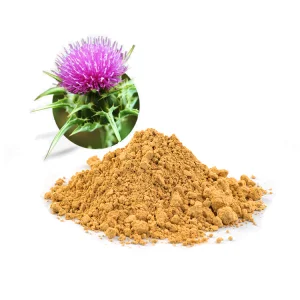
Many highly bioactive compounds, such as Silymarin (found in Milk Thistle) and Lutein (found in Marigold), are lipophilic, leading to poor water solubility and low systemic absorption. We address this limitation through natural surfactant carrier matrices, self-emulsifying delivery configurations, and controlled solid dispersion processes.
By reducing particle sizes to the sub-micron scale, we increase the surface area exposure, raising absorption speeds. This allows our global partners to formulate highly effective dietary supplements and cosmetics while using less raw material.
Active plant ingredients often carry strong, bitter, or astringent tastes, which can complicate the formulation of functional foods, gummies, and RTD (ready-to-drink) beverages. Our research team resolves this through organic micro-encapsulation techniques, utilizing natural polysaccharide matrices (such as acacia gum or food-grade cyclodextrins) to shield active ingredients without altering their core health benefits.
| Extract Challenge | Technical Solution |
|---|---|
| Poor Water Solubility | Hydrophilic polymer coating, spray drying with acacia carrier |
| Thermal Degradation | Sub-zero freeze drying (Lyophilization) |
| High Bitterness | Molecular encapsulation, dextrin complexing |
| Oxidative Instability | Nitrogen-purged packaging, natural antioxidant preservation |
Shenzhen Bluidge Biology Co., Ltd. is a professional herbal extract manufacturer and botanical ingredient supplier based in Shenzhen, China. The company specializes in the research, development, production, and global export of high-quality plant-based extracts for cosmetics, food, dietary supplements, and pharmaceutical applications.
With advanced extraction technologies and strict quality control systems, Bluidge Biology produces a wide range of natural herbal extracts, including water-soluble, oil-soluble, and standardized active ingredients. These botanical materials are widely used in skincare formulations, functional foods, health supplements, and personal care products.
The company integrates modern biotechnology with traditional botanical knowledge to ensure high purity, stability, and bioactivity in every extract. Each product undergoes rigorous testing to meet international quality and safety standards, ensuring consistency and reliability for global customers.
Shenzhen Bluidge Biology Co., Ltd. provides OEM and customized solutions, supporting clients with formulation development, ingredient selection, and bulk supply services. The company is committed to innovation in natural ingredients and sustainable sourcing practices, meeting the growing global demand for clean-label and plant-based solutions. By combining scientific research, advanced production capabilities, and international service experience, Bluidge Biology has become a trusted partner in the herbal extract industry, delivering high-performance botanical ingredients to customers worldwide.
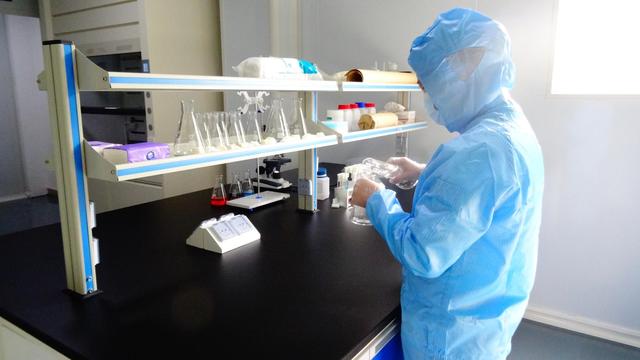
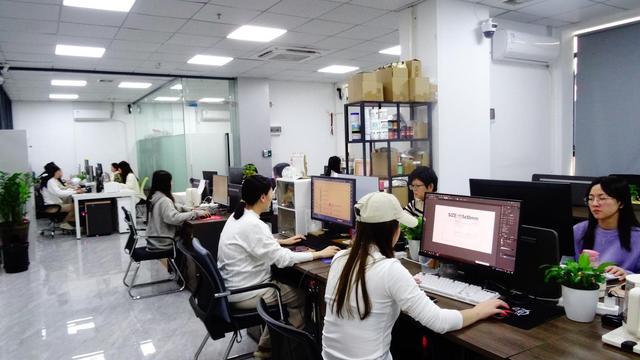

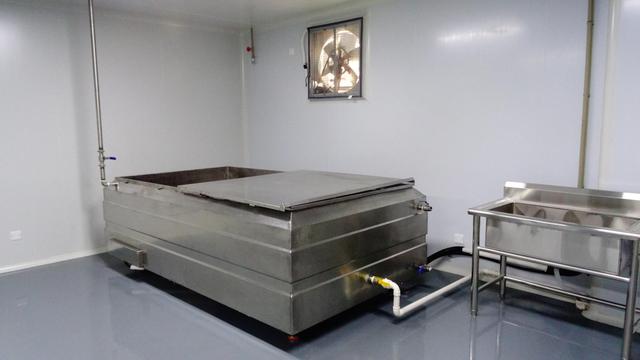
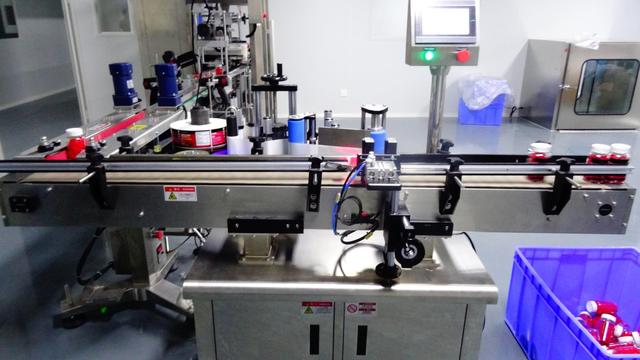
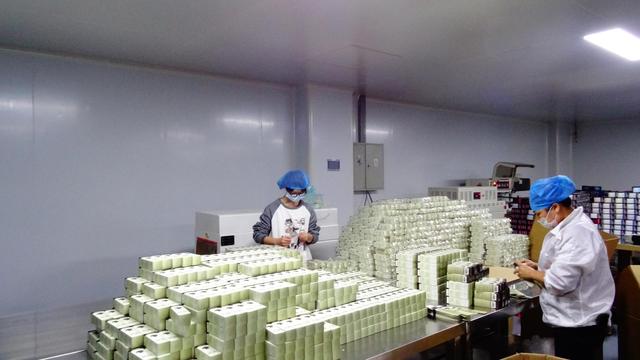
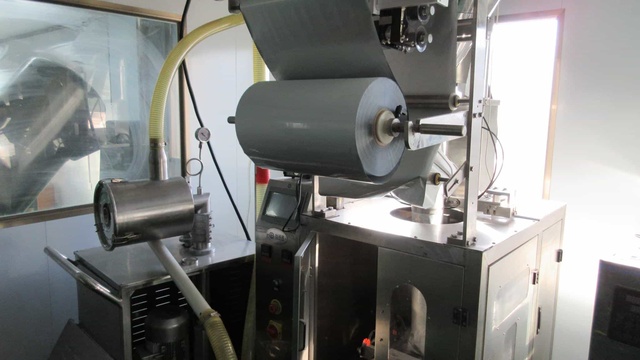
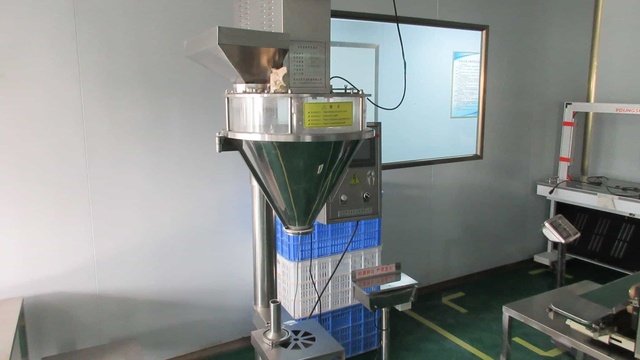
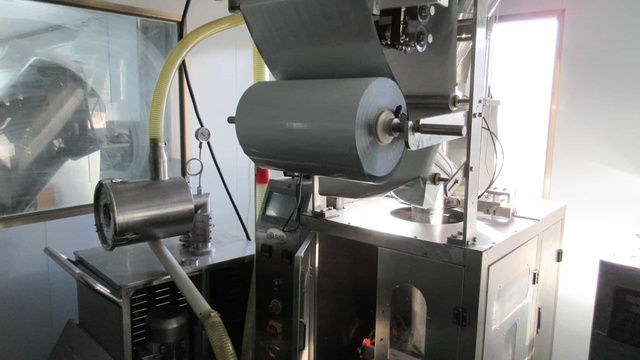
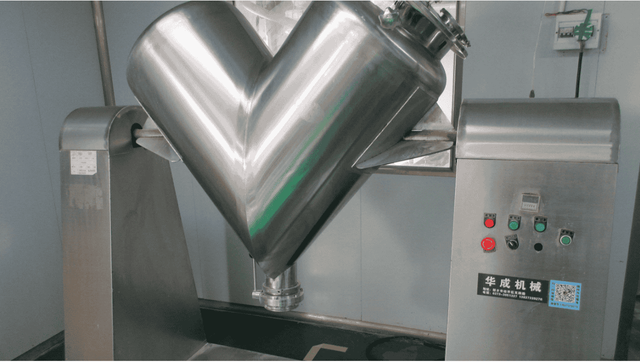

Bluidge Biology utilizes a multi-phased refining protocol to maximize active compound yields while protecting structural integrity. Our processing methods avoid high thermal environments that can damage sensitive active components.
Raw botanicals undergo DNA sequencing and High-Performance Thin-Layer Chromatography (HPTLC) verification to confirm species identity. This step eliminates the risk of adulteration from related plant species.
We employ automated countercurrent extraction systems with food-grade solvents (purified water and organic ethanol). This setup extracts active phytochemicals efficiently while minimizing waste.
Using advanced membrane filtration, we concentrate extracts at low temperatures. This preserves heat-sensitive compounds like Withanolides and Vitamin C from thermal breakdown.
For high-purity oils and lipophilic compounds, we utilize supercritical CO2 extraction. This solvent-free method leaves zero chemical residues, making it ideal for clean-label, premium formulations.
We maintain safety and compliance through comprehensive quality control documentation for every production batch. Bluidge Biology products are formulated to meet the import requirements of the United States, the European Union, and other international jurisdictions.
Our in-house quality control labs use Inductively Coupled Plasma Mass Spectrometry (ICP-MS) to detect heavy metals, ensuring levels remain below strict international limits (Lead < 0.5 ppm, Arsenic < 0.5 ppm, Cadmium < 0.1 ppm, Mercury < 0.1 ppm).
We also perform Gas Chromatography-Mass Spectrometry (GC-MS) analysis to screen for over 300 pesticide residues, ensuring compliance with both USP <561> and EP European Pharmacopoeia standards.
 Bluidge Biology