Bluidge Biology
1 / 5

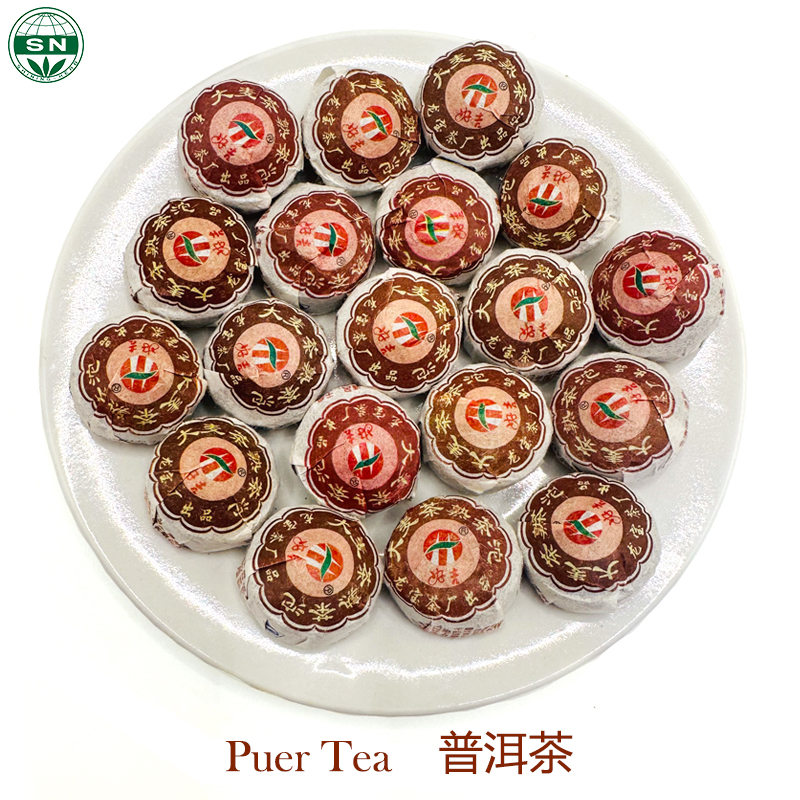
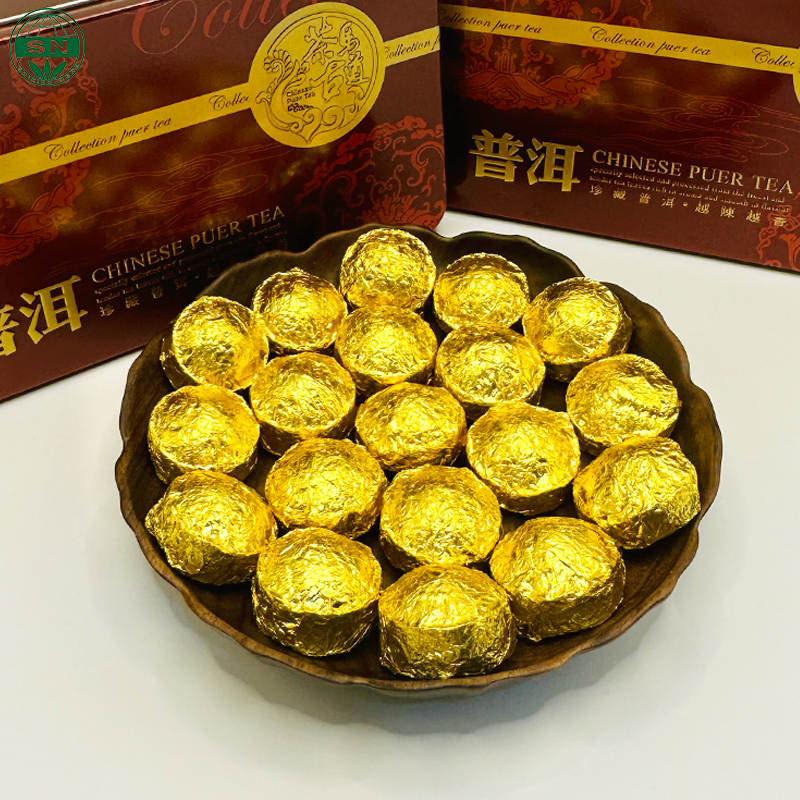
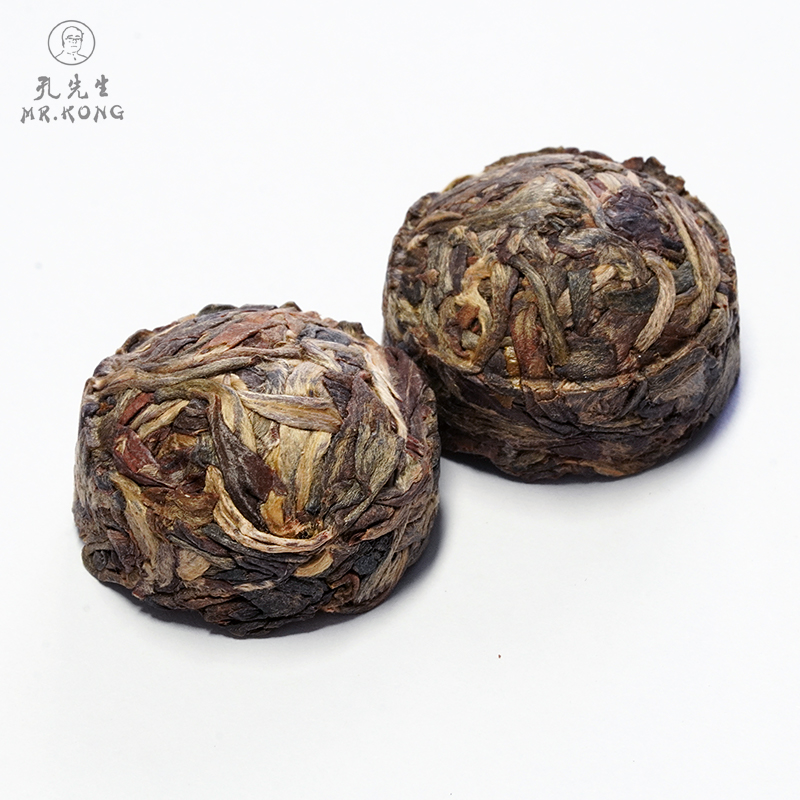
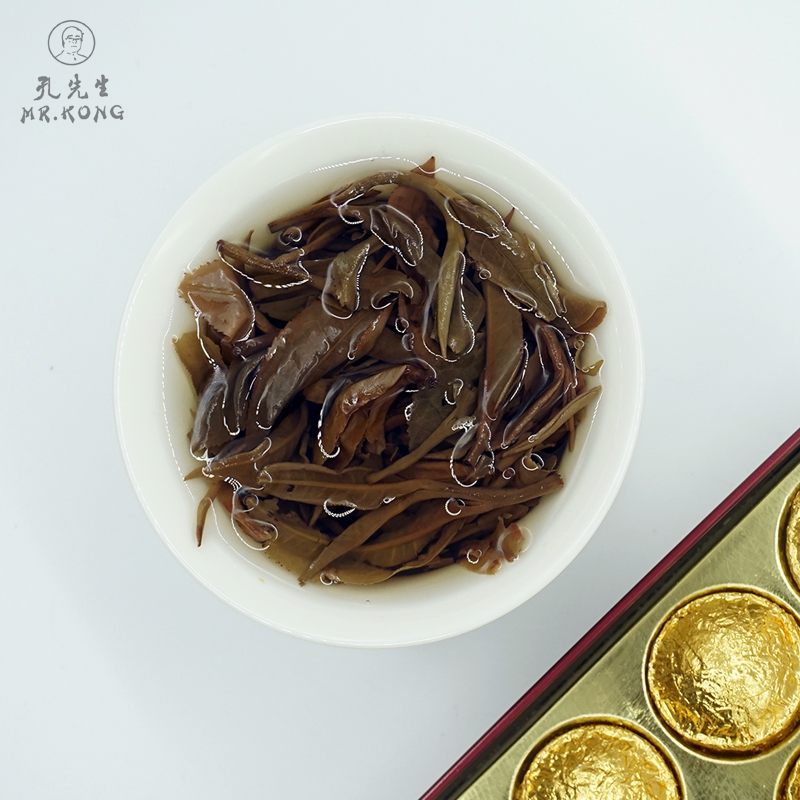
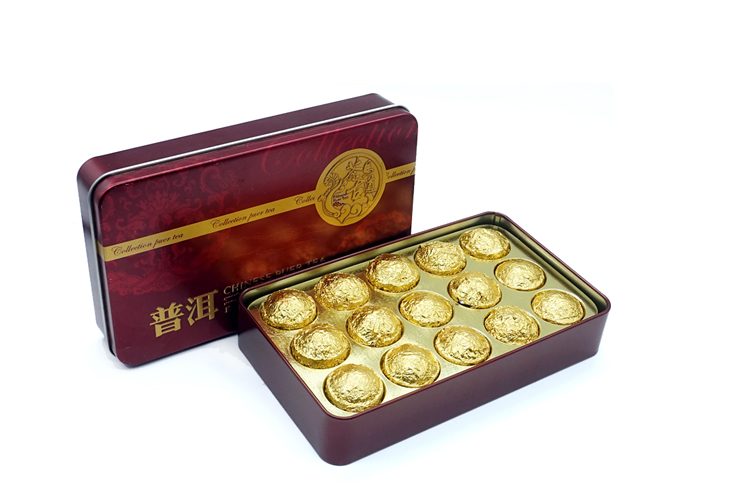
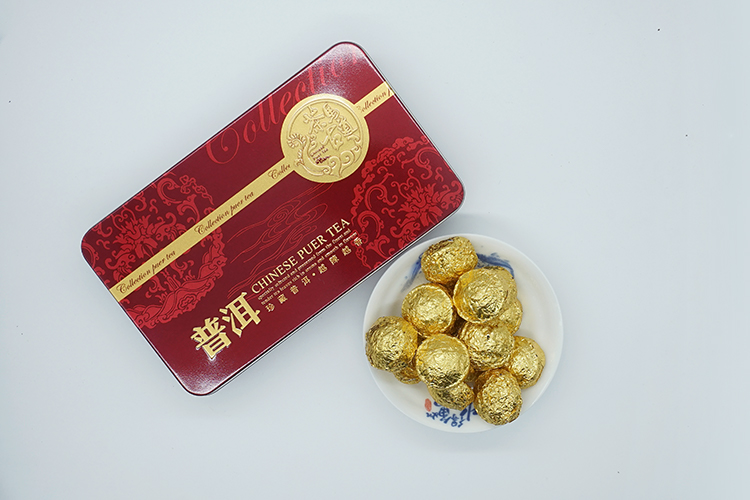
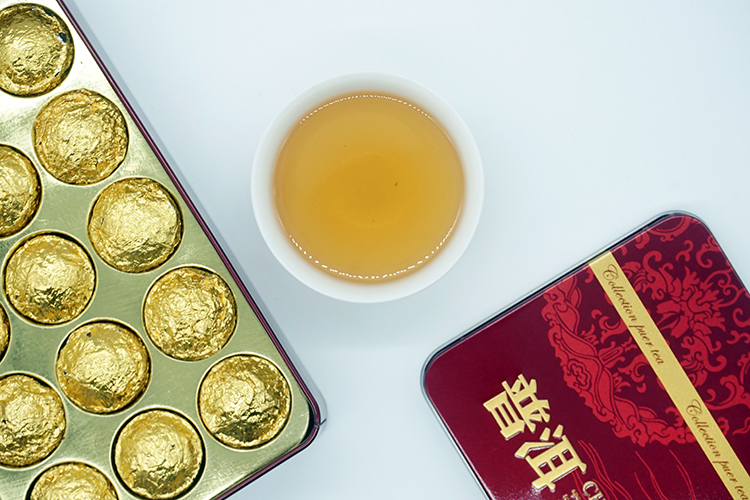
Experience the authentic taste of Ancient Tree Raw Puer Tea. This premium compressed Mini Tuo is an unfermented Sheng Puer Tea crafted for connoisseurs and tea enthusiasts alike.
| Product Name in English | raw/sheng/unfermented mini puer |
| Product Name in Chinese | sheng puer tuo cha |
| Product Type | puer tea |
| Product Grade | food grade |
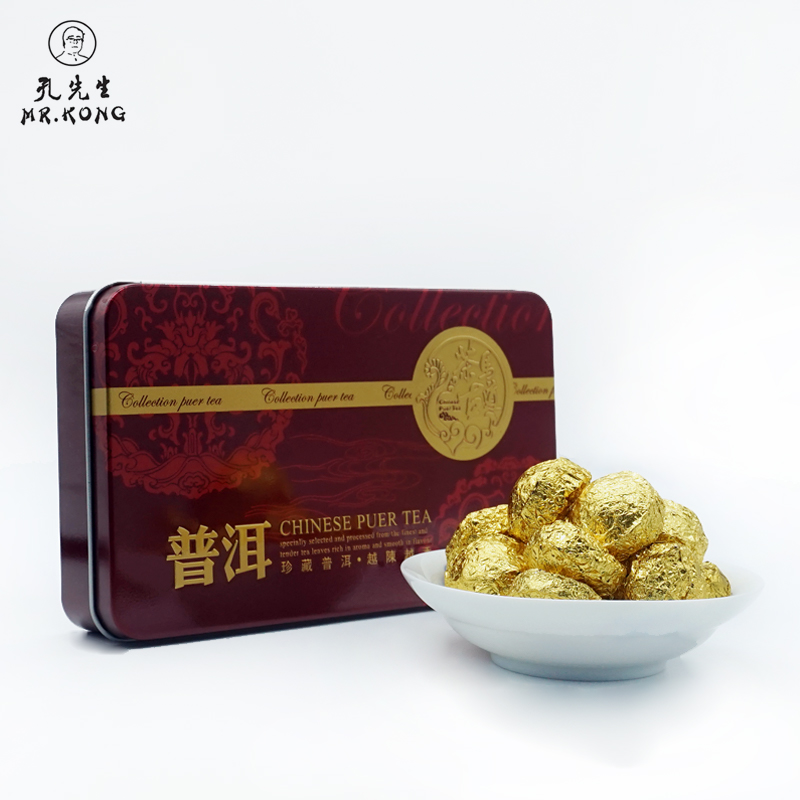
| Product Packing | gift box packaging |
| Place of Origin | China, Mainland |
| Notes |
■
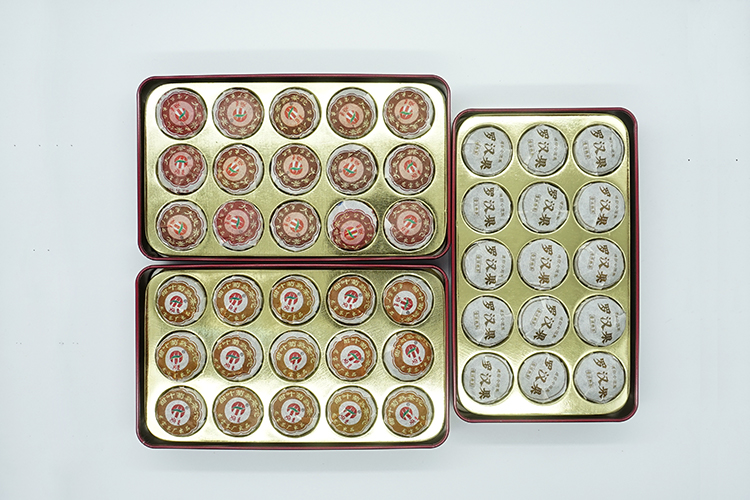
Box packaging, 15 pcs/box, MOQ: 4 boxes
■
The packing box design may be updated or used randomly.
■
For inquiries regarding shipping costs, please reach out directly.
|
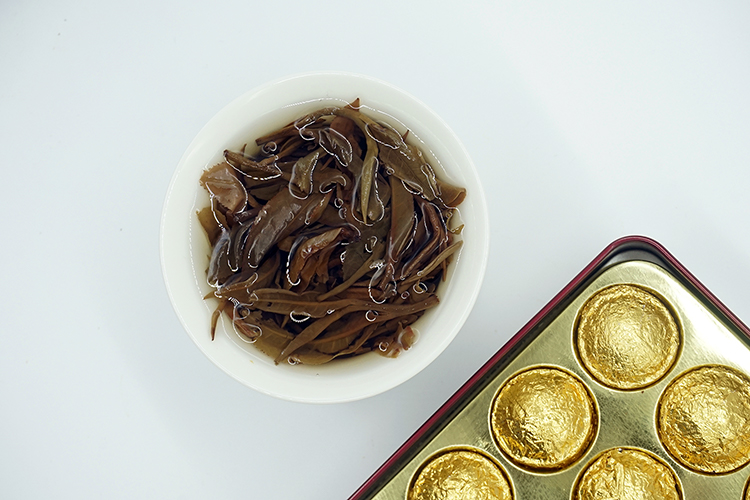
This is a special green mini tuocha vintage 2016 from Yunnan. It features a carefully selected blend of premium materials that age beautifully over time while delivering a highly pleasant, drinkable cup today.
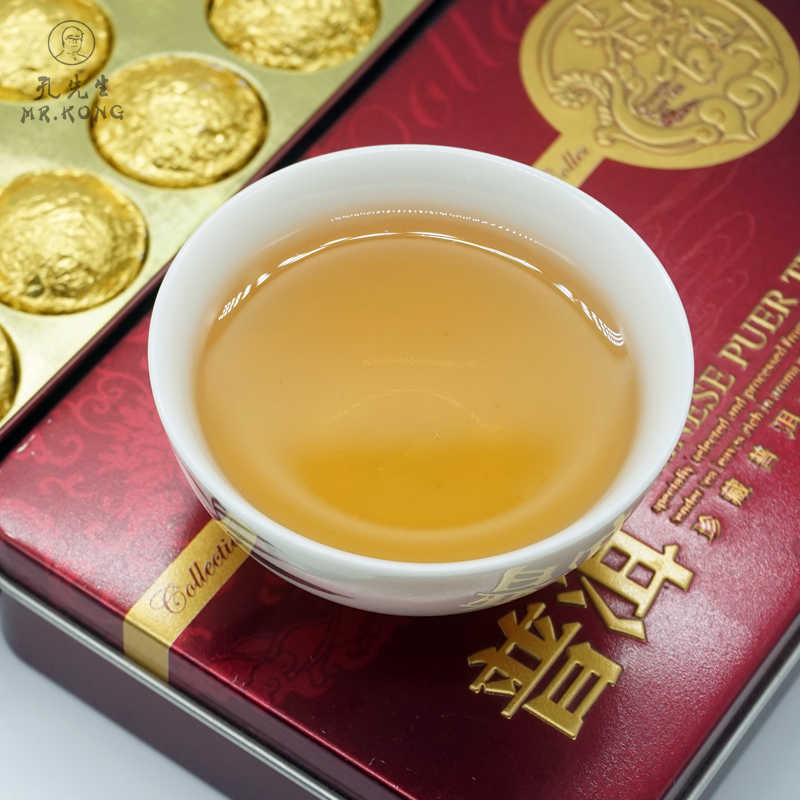
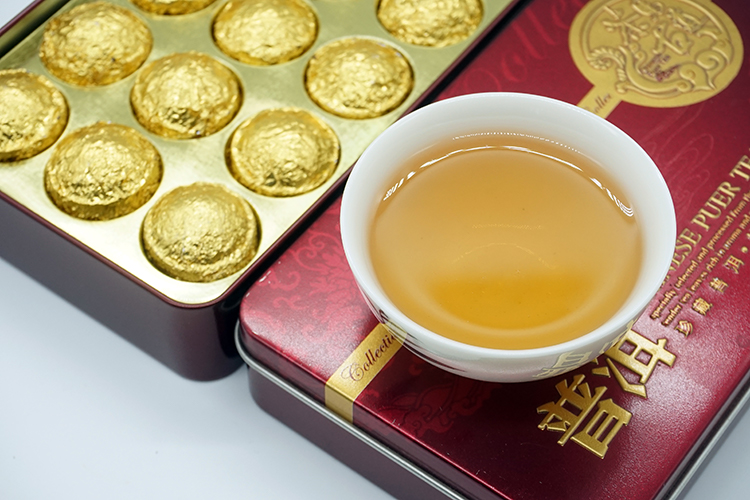
The tea liquor yields a smooth, balanced body with an exceptional finish.
Brewing Instruction: Use 6 ounces of spring water brought to a full boil per tuocha, steeping for 3 minutes.
Increase the steeping time with each subsequent resteep until the flavor profile starts to fade.
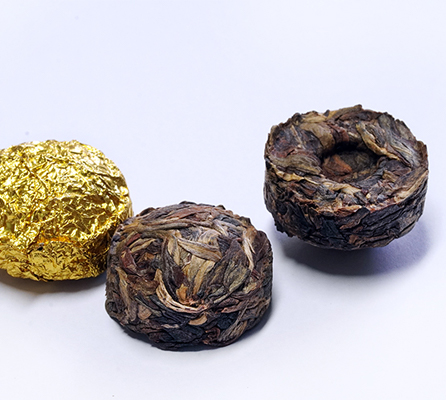
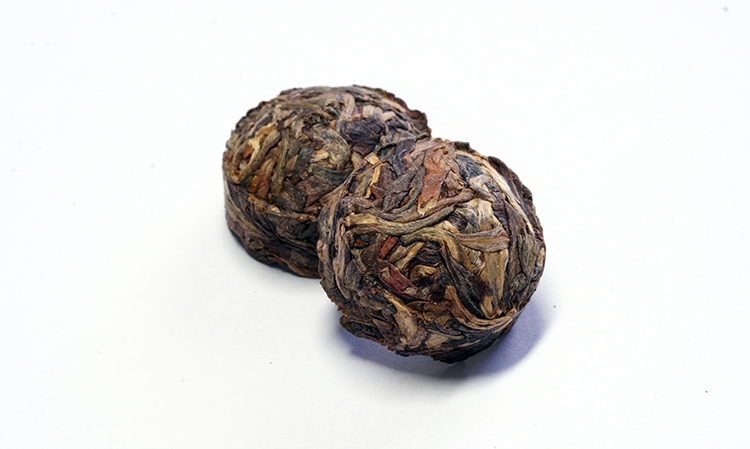
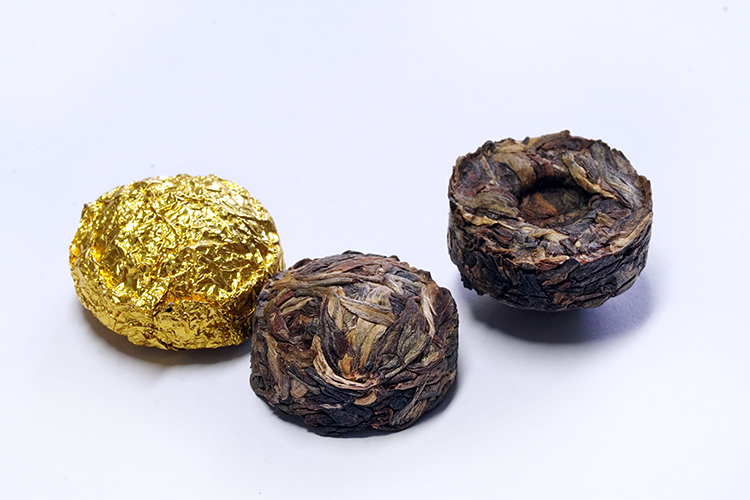
Pu-erh teas originate from Yunnan province and naturally improve with age. Outstanding vintages are known to remain highly drinkable even at 50 years of age. They are available in green, black, white, and compressed brick varieties. Highly prized by connoisseurs, these teas are renowned for their distinct qualities. The tea leaves are withered, then, while still slightly moist, are heaped into piles where a microbially mediated reaction occurs. The leaves are then dried loose or compressed into bricks or cakes.
According to Song dynasty records, the peoples of the Yunnan-Tibet border have enjoyed pu-erh since the Tang dynasty. Following the 13th-century Mongol conquest, the troops of Kublai Khan are said to have introduced pu-erh to other parts of China for its restorative value. Bricks of pu-erh tea even served as an early medium of currency exchange among nomadic tribes beyond the Great Wall, documented in Chinese records as early as A.D. 476.