Discover our core range of highly purified, bioactive plant-derived ingredients designed for global pharmaceutical production, nutraceutical packaging, and clinical formulation.
The global pharmaceutical sector is undergoing a profound paradigm shift. As synthetic drug research faces escalating costs and regulatory bottlenecks, pharmaceutical laboratories and major health brand manufacturers are looking back to nature—reconfigured via modern biotechnology. Standardized herbal ingredients for pharmaceuticals are no longer treated as raw plant powders. Instead, they are sourced as high-precision Active Pharmaceutical Ingredients (APIs) containing target molecules calibrated to fractional percentages.
Driven by consumer demand for "clean-label" formulations and clinical proof regarding phytomedicine's efficacy in managing chronic ailments, key markets globally are rewriting the rules of drug formulation. The global botanical medicine market size, valued at billions of USD, is projected to expand significantly, raising the stakes for raw material stability, safety protocols, and biological potency.
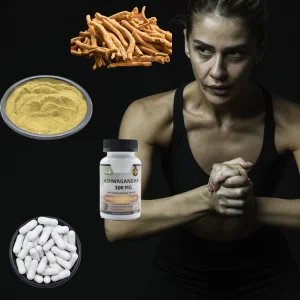
Unlike single-molecule synthetic compounds, plant extracts offer complex active profiles (like withanolides, ginsenosides, and polysaccharides) that work synergistically inside the human body. This multi-target mechanism reduces compound resistance, rendering them ideal for long-term health applications.
Pharmacopoeias worldwide (USP, EP, ChP) are establishing stricter parameters for botanical monographs. Exporters must provide rigorous analytical data verifying heavy metal absence, low micro-counts, and absolute solvent safety.
Procurement directors at multi-national pharmaceutical complexes require more than just competitive pricing. B2B importing relies heavily on mitigating supply-chain risks, ensuring batch consistency, and maintaining bulletproof document transparency.
Every pharmaceutical manufacturing batch demands comprehensive documentation. Leading buyers require validated High-Performance Liquid Chromatography (HPLC), Gas Chromatography-Mass Spectrometry (GC-MS), and Inductively Coupled Plasma Mass Spectrometry (ICP-MS) tests to guarantee structural integrity and verify chemical fingerprints.
Rigid threshold limits on pesticide residues (especially for EU and US markets), aflatoxins, heavy metals (such as lead, arsenic, mercury, and cadmium), and microbial loads must be sustained. Sustainable green agricultural cultivation is the foundation of clean industrial botanical production.
Compliance documentation is mandatory. Factories must yield verified GMP (Good Manufacturing Practice) standards, ISO series certifications, Kosher and Halal approvals, and organic labels (USDA/EU) to satisfy strict regulatory compliance frameworks required during import inspections.
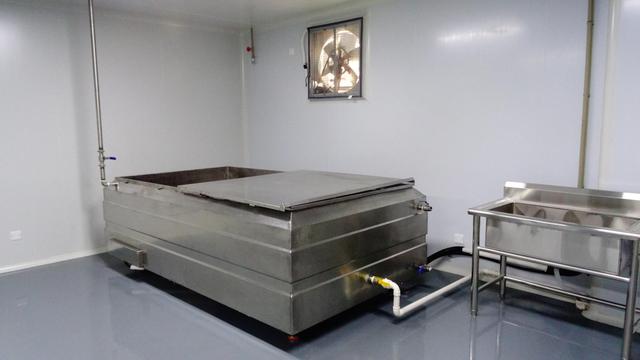
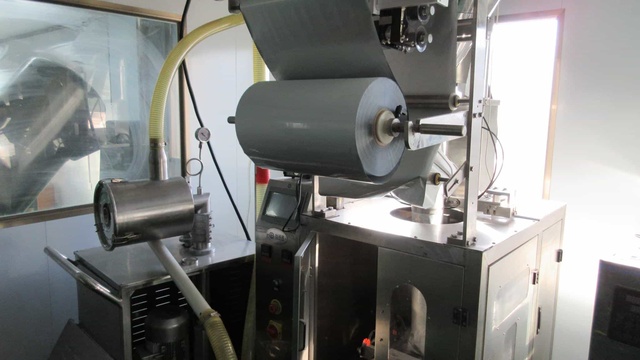
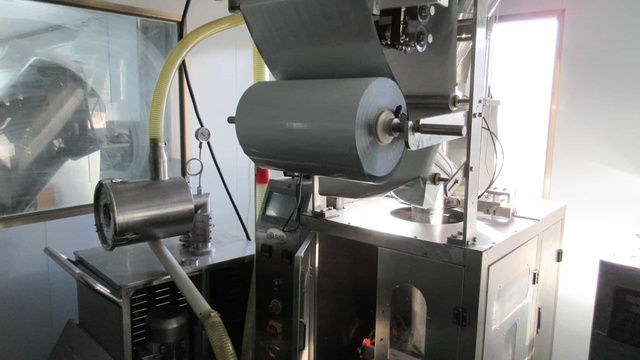
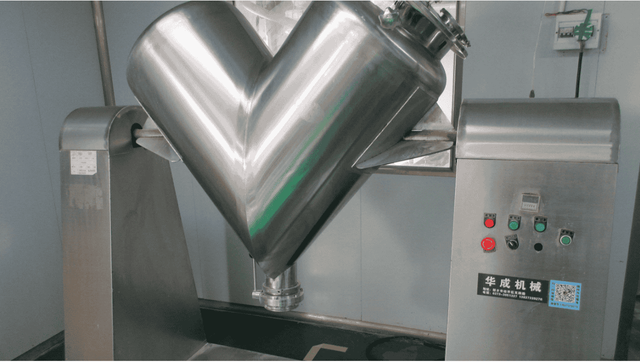
China's manufacturing sector has transcended basic assembly to lead the charge in Factory 4.0 automation. Within the botanical extract landscape, this means the deployment of computerized PLC systems controlling temperature, pressure, and solvent flow rates. Advanced methodologies like Supercritical CO2 Extraction, Subcritical Water Extraction, and Multi-stage Membrane Separation ensure delicate phytoconstituents do not degrade during concentration.
By shifting from manual processing to automated digital feedback loops, Chinese manufacturing hubs minimize human error and provide batch-to-batch homogeneity that matches the standardization demands of Western pharmaceutical production lines. Moreover, localized clustering of raw material supplies, engineering talent, and container shipping networks creates an exceptionally resilient supply chain structure.
Modern pharmaceutical production planning demands zero downtime. China's integrated logistics infrastructure ensures that raw materials harvested from specialized agricultural cooperatives are processed immediately in computerized bioreactors. This minimizes decay, locks in biological activity, and enables cost-competitive shipping globally.
"By integrating dynamic counter-current extraction systems with high-speed centrifugal partition chromatography, China's Factory 4.0 plants yield extraction rates up to 35% more efficient than traditional batch processing methods."
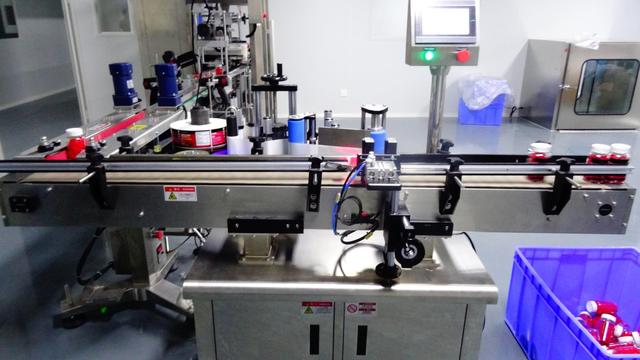
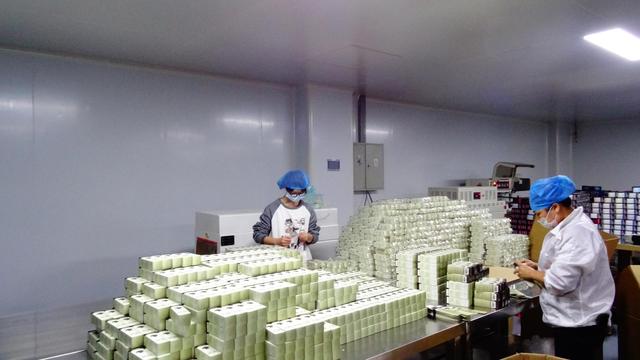
Additionally, automated cleanroom packaging lines operate under class 100,000 cleanroom environments, preventing any cross-contamination prior to bulk container dispatch.
Natural plant extracts serve diverse commercial formulations. Understanding these targeted pathways helps procurement teams select the appropriate assay, solubility, and grade.
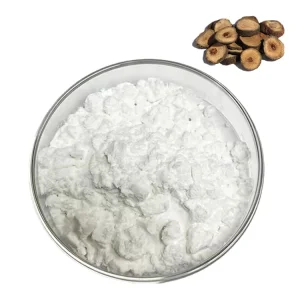
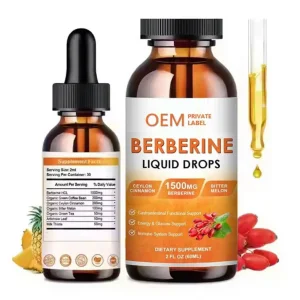
High-purity botanical active ingredients are formulated directly into softgels, tablets, and syrups. Products such as 98% Sesamin and Berberine HCL act as natural enzyme inhibitors, supporting cardiovascular health and metabolic regulation under clinically verified dosages.
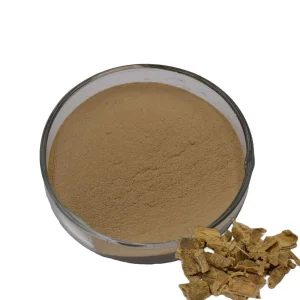
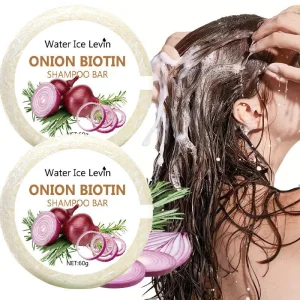
Cosmetic-grade botanicals provide active cellular DNA repair and UV-protective barriers. Extracts like White Willow Bark (natural salicylic acid) offer potent anti-inflammatory functions, clearing blemishes while maintaining skin barrier hydration.
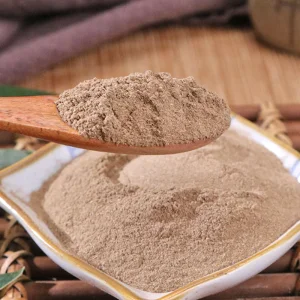
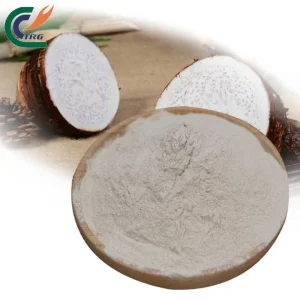
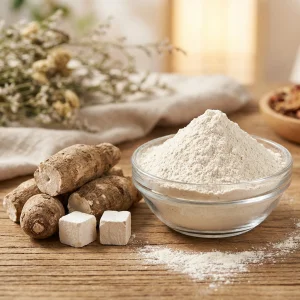
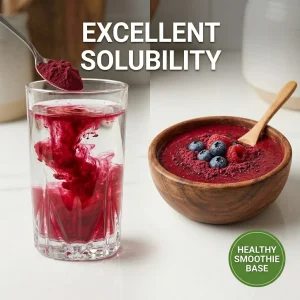
Water-soluble dietary fibers (such as Purple Taro powder) and organic beet root powders provide rich nutritional values to modern sports supplements and vegan superfoods. Instantly dispersing powders satisfy the consumer demand for clean-label meal replacements.
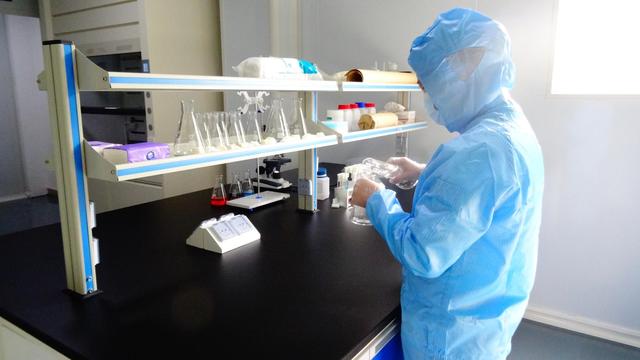
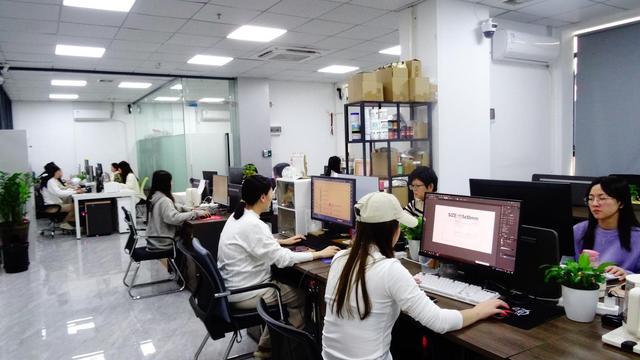
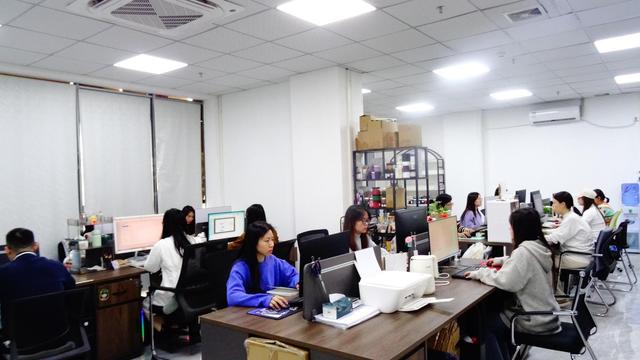
Shenzhen Bluidge Biology Co., Ltd. is a professional herbal extract manufacturer and botanical ingredient supplier based in Shenzhen, China. The company specializes in the research, development, production, and global export of high-quality plant-based extracts for cosmetics, food, dietary supplements, and pharmaceutical applications.
With advanced extraction technologies and strict quality control systems, Bluidge Biology produces a wide range of natural herbal extracts, including water-soluble, oil-soluble, and standardized active ingredients. These botanical materials are widely used in skincare formulations, functional foods, health supplements, and personal care products.
The company integrates modern biotechnology with traditional botanical knowledge to ensure high purity, stability, and bioactivity in every extract. Each product undergoes rigorous testing to meet international quality and safety standards, ensuring consistency and reliability for global customers.
Shenzhen Bluidge Biology Co., Ltd. provides OEM and customized solutions, supporting clients with formulation development, ingredient selection, and bulk supply services. The company is committed to innovation in natural ingredients and sustainable sourcing practices, meeting the growing global demand for clean-label and plant-based solutions.
By combining scientific research, advanced production capabilities, and international service experience, Bluidge Biology has become a trusted partner in the herbal extract industry, delivering high-performance botanical ingredients to customers worldwide.

Browse our secondary catalog containing dietary base powders, cosmetic actives, and high-concentration herbal solutions.
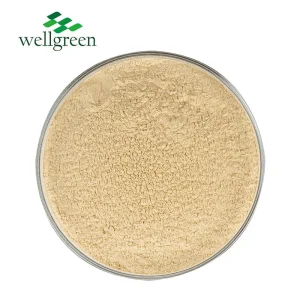
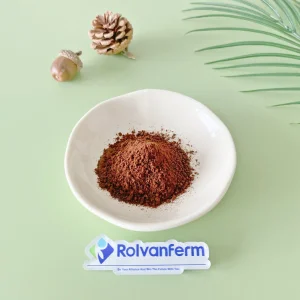
To assist procurement directors and QA coordinators, the analytical roadmap below highlights the scientific criteria utilized to characterize premium plant extracts from raw material to finished pharmaceutical grade.
Using Thin-Layer Chromatography (TLC) and HPLC, our laboratories record unique chemical fingerprints for each species. This eliminates adulteration risks, ensuring that wild-crafted roots, like Chaihu or Panax Ginseng, yield exact profiles without seasonal variance.
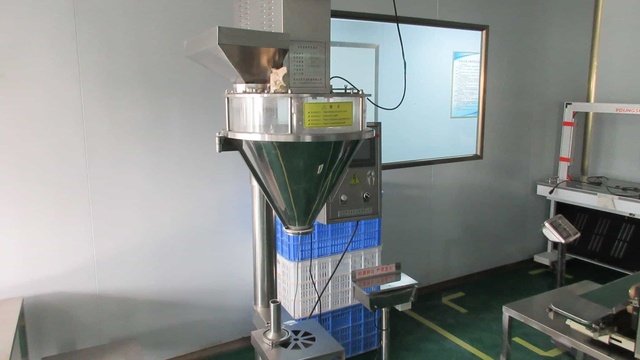
The flowability, bulk density, particle size mesh distribution, and water solubility of botanical ingredients determine production speeds. Our water-soluble flax seed extracts and instant-dissolve purple taro dietary fibers are engineered to limit dust formation and prevent blockages on automated capsule-filling machinery.
Particle Size: 100% through 80 Mesh
Loss on Drying: ≤ 5.0%
Bulk Density: 0.40g/ml - 0.65g/ml
Solvent Residue: Meets Eur. Ph. / USP limits
Have technical questions regarding botanical ingredient sourcing, quality validation, or shipping logistics? Review our detailed industry Q&A below.
 Bluidge Biology